

Kenya: Dubai-backed Special Economic Zone targets over $3 billion investment and 50,000 jobs
Kenya, East Africa’s largest economy, is accelerating its industrial transformation with the launch of the Vipingo Special Economic Zone (VSEZ), a major infrastructure and manufacturing project designed to attract large-scale foreign direct investment and strengthen the country’s position as a regional industrial hub. By the editorial team

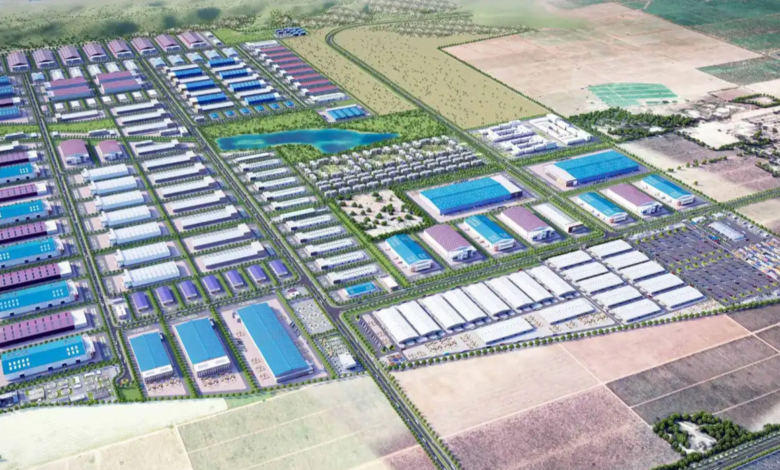
Located on the Kenyan coast, the VSEZ is developed by ARISE Integrated Industrial Platforms in partnership with Centum Investment Company. The project is part of Kenya’s broader strategy to move up the value chain by expanding local manufacturing capacity, improving export competitiveness, and integrating into global supply networks.
According to official figures provided by project promoters, the total investment is expected to exceed $3 billion, combining equity contributions and development finance. Between 30% and 40% of the funding will come from equity investors, while the remainder will be mobilized through development finance institutions and commercial partners.
As stated by Nikhil Gandhi, Executive Director for Special Economic Zones at ARISE Integrated Industrial Platforms: “Our total investment in these projects will exceed approximately $3 billion.”
The project is expected to have a significant socio-economic impact, with an estimated 50,000 direct jobs to be created across industrial and support sectors
Beyond financial commitments, the project is expected to have a significant socio-economic impact, with an estimated 50,000 direct jobs to be created across industrial and support sectors. The development plan includes three industrial parks—two on the coast and one in Naivasha—as well as support for the local textile manufacturer Rivatex, aiming to build integrated value chains in manufacturing.
The VSEZ is designed to attract investors from more than 14 countries, including Asia and the Middle East, targeting key industries such as textiles, agro-processing, manufacturing, and technology. This reflects Kenya’s growing ambition to position itself as a gateway for industrial production into African and global markets.
A complementary financing structure is also planned
A complementary financing structure is also planned, involving KCB Group and the African Export-Import Bank (Afreximbank), with a $800 million fund to support companies operating within the zone. This mechanism is intended to address one of the main barriers to industrial growth in Africa: access to affordable long-term financing.
Tensions in the Middle East : redirect investment flows toward more stable and competitive regions in Africa
The project is also shaped by global geopolitical and economic shifts. According to promoters, changing trade dynamics, including tensions in the Middle East and evolving US trade policies, could redirect investment flows toward more stable and competitive regions in Africa. As Nikhil Gandhi noted, such shifts may create new opportunities for African economies positioned to receive redirected supply chains.
However, analysts underline that success will depend on implementation. Key challenges include regulatory stability, infrastructure readiness, and coordination between public and private actors. Previous experiences with special economic zones across Africa show that integration into the local economy is essential to avoid isolated “enclave” development.
If fully realized, the Vipingo Special Economic Zone could mark a structural turning point for Kenya’s industrial landscape. By combining large-scale investment, job creation, and export-oriented manufacturing, it has the potential to strengthen Kenya’s role as a leading industrial hub in East Africa and a competitive player in global value chains.