


Mourad Mnif : “Infrastructure exists, but accessibility and usage remain limited”
Mourad Mnif, Director at PwC Tunisia, reflects on the state of the telecommunications sector in Sub-Saharan Africa. From coverage and accessibility to structural challenges and concrete solutions, he explains how the continent can leverage its infrastructure to foster digital inclusion and drive economic growth.

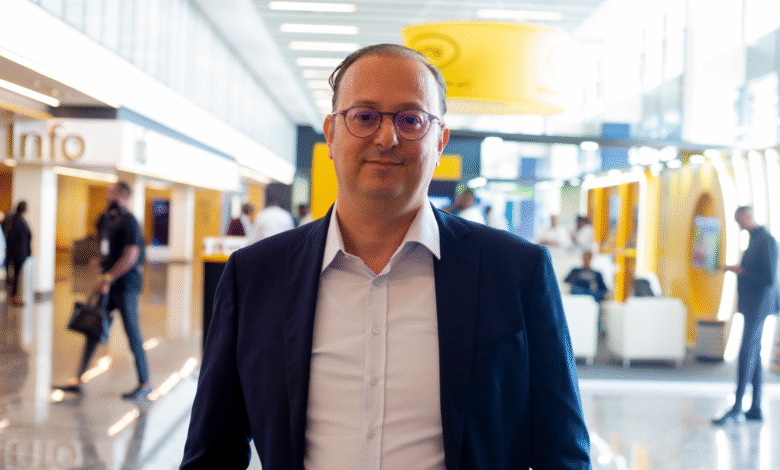
Can you introduce your role and mission with operators and authorities in Africa?
I am Mourad Mnif, Director at PwC Tunisia, responsible for the telecom activity. We support operators, regulatory authorities, and ministries in developing their strategies, whether to optimize existing networks or prepare for the evolution of digital services. Our role is to advise on sector policies and investment plans to strengthen the telecommunications sector.
What is the current state of mobile coverage and accessibility in Sub-Saharan Africa?
In terms of coverage, 85% of the population is served by 3G and 65% by 4G. However, accessibility remains very limited: only 23% of the population can effectively access mobile data, and among those living in covered areas, 60% do not actually use these services.
The reasons are multiple: low digital literacy, high smartphone costs, and limited usage despite the presence of infrastructure. This shows a clear gap between technical coverage and the effective adoption of mobile services.
What are the main challenges the sector faces?
The first challenge is market saturation. Intense competition among operators drives prices down and reduces profitability. Next, operating costs are very high, especially those related to energy and maintenance, and are further impacted by inflation, which slows down investments.
The third challenge is service quality, which suffers from underinvestment. Fewer resources mean reduced infrastructure deployment and maintenance, directly affecting user experience. Finally, digital development is hindered by low literacy and the high cost of services and devices.
What solutions could help overcome these obstacles and boost mobile adoption?
Several levers are possible. First, developing infrastructure in rural areas through mechanisms such as universal service. Second, making smartphones more affordable through reduced customs duties and sector-specific taxes.
It is also essential to stabilize the legal and regulatory framework to encourage private investment and facilitate infrastructure sharing among operators. Finally, enhancing digital skills and literacy through targeted training is a key factor to increase usage and maximize economic impact.
In conclusion, what is the main takeaway for the sector in Africa?
Infrastructure exists, but accessibility and usage remain limited. For the sector to fully contribute to economic growth and digital inclusion, it is necessary to combine economic, social, regulatory, and legal levers while investing in digital training and education.