


Water security and sanitation : a major strategic issue for Africa
By adopting as the theme for the year 2026, “Assuring Sustainable Water Availability and Safe Sanitation Systems to Achieve the Goals of Agenda 2063,” African leaders have affirmed the importance of this subject not only from a humanitarian perspective but also as a driver of economic development and stability.

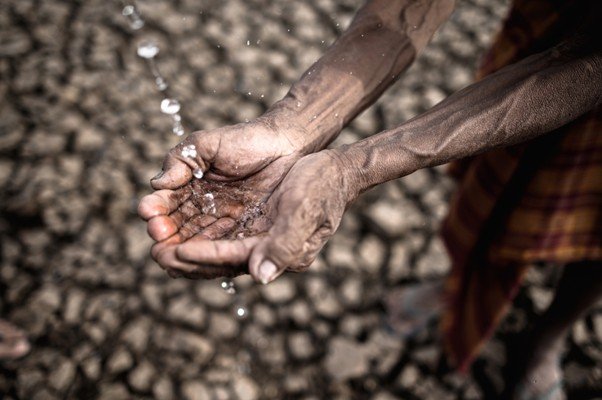
The 39th Ordinary Session of the African Union Summit, held on 14 and 15 February 2026 in Addis Ababa, chose to place water security and sanitation systems at the heart of its priorities for the year.
The Chairperson of the African Union Commission, Mahmoud Ali Youssouf, stated that “the 2026 theme, focused on water and sanitation, is of critical importance; this vital resource for all our countries must be considered a collective good to be preserved at all costs.” This statement was made in the context of the preparations for the summit, highlighting water as a strategic element for development, peace, and climate adaptation.
More than 400 million people in Africa do not have sufficient water for their daily needs, and over 800 million lack basic hygiene services
This thematic choice comes against the backdrop of a continental water security challenge: according to official data from the African Union, more than 400 million people in Africa lack sufficient water for their daily needs, and more than 800 million lack basic hygiene services. These gaps have profound health, social, and economic consequences.
A pillar of agriculture, industry, public health, education, and social stability
Water is not a simple natural resource: it is a pillar of agriculture, industry, public health, education, and social stability. Without reliable access to drinking water and safe sanitation facilities, efforts toward growth and structural transformation remain hindered. Water is at the center of the seven aspirations of Agenda 2063, the African Union’s fifty‑year development roadmap aimed at making Africa a prosperous, integrated, and peaceful continent.
The impact of lacking water and sanitation is tangible: severely insufficient in some rural and urban areas, these essential services contribute to reduced labor productivity, increased healthcare spending, and heightened exposure to water‑borne diseases. In several regions, water is also at the heart of potential tensions among neighboring countries, as many river basins cross multiple states. Ineffective management of these resources can therefore fuel conflicts and exacerbate existing crises.
An integrated approach and concrete solutions
Solving water‑related problems does not rely solely on infrastructure construction. It requires integrated resource management, cross‑border regional cooperation, the involvement of local communities, innovative financing, and strengthened public policy capacity. According to the African Union, an African Water Vision for 2026 aims to establish equitable and sustainable management of these resources, promoting regional cooperation, job creation, and industrialization while strengthening resilience to climate change.
Beyond speeches, concrete actions are progressing: on the ground, some states are strengthening their national water and sanitation programs, modernizing their distribution networks, and developing more effective purification mechanisms. Parallel forums, such as the African Union Water and Sanitation Heads of State and Government Forum, organized jointly with the World Bank, aim to translate political will into national commitments and coordinated financing.
Sector stakeholders also stress the importance of a participatory framework involving youth, women, and marginalized populations in the planning and implementation of water, sanitation, and hygiene (WASH) projects. This inclusive approach is considered essential to ensuring the sustainability and social acceptability of interventions.
A resource at the center of 21st‑century challenges
Water security is also linked to the effects of climate change, which exacerbate droughts, floods, and seasonal variations in water resources, increasing pressures on existing systems. Integrating climate objectives into water management policies has therefore become an indispensable condition for achieving the aspirations of Agenda 2063.