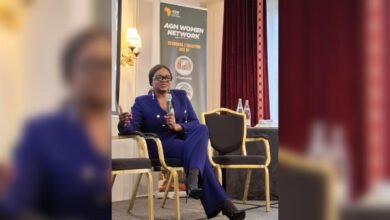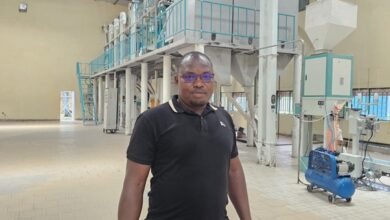


Seyimi Ahouandogbo : “Financing African Agriculture Starts with Structuring and Understanding Local Realities”
Beninese-French investment banker Seyimi Ahouandogbo supports African projects in raising funds from international investors. In this interview, he discusses the obstacles and opportunities of agricultural financing in Africa, the importance of structuring projects, and the central role of women in the sector.


What are the main obstacles to financing agriculture?
There are several points. The first is the agricultural cycle: investing today to harvest later creates a gap with banks and investors, who want immediate returns. The second obstacle is guarantees. Often, projects are on untitled land. Without land as collateral, banks hesitate. Finally, there is structuring: many interesting projects have no company, no financial statements. Investors cannot assess their viability. There is also a lack of aggregation of small projects, which makes them less attractive.
How can African agriculture be made more attractive to investors, including international ones?
It’s above all about speaking the language of the investor. Even if the activity is informal, you have to show that there are flows, customers, channels, a reliable sales and storage process. Agriculture is profitable and predictable if you can demonstrate it. I bought unused land. A neighbor planted teak on it. I manage everything, he receives a share of the income. It’s concrete, local, it adds value to the land and generates revenue.
Women face greater challenges in accessing financing. Why, and what are the solutions?
Women are at the heart of agriculture. They repay well, anticipate problems, and are very good managers. But they often have little access to land and financing information. It is necessary to raise awareness, train, and inform rural women about financing possibilities through cooperatives, grants, or alternative funds. Access to information is a key lever to enable them to grow.
What mechanisms, existing or to be created, can effectively finance African agriculture?
Alternative and impact funds. Funds that collect money from the diaspora or lend to projects from €50,000 to €1 million, promoting employment, women, and rural areas. They adapt conditions to local realities, for example by purchasing equipment directly and leasing it to producers.
But it remains necessary to act, even on a small scale, to learn and structure. You have to start, begin small, formalize projects, and show that agriculture is profitable and financeable. It is the concrete that attracts investors.