

Global Gateway Early-Stage Investment : strengthening innovative projects in Africa
The European Commission officially launched on December 15, 2025 a new financing instrument under its Global Gateway strategy. Known as Global Gateway Early-Stage Investment, the mechanism aims to support the preparation and pilot phases of projects in partner countries, particularly in Africa, in order to enhance their feasibility and attractiveness for public and private investors. Analysis.


Global Gateway Early-Stage Investment forms part of the broader Global Gateway programme, launched by the European Union in 2021 to support sustainable investments in infrastructure, digitalisation, energy and transport. The strategy aims to mobilise up to €300 billion in investments by 2027, combining public funding, guarantees and private capital, with Africa as a key priority.
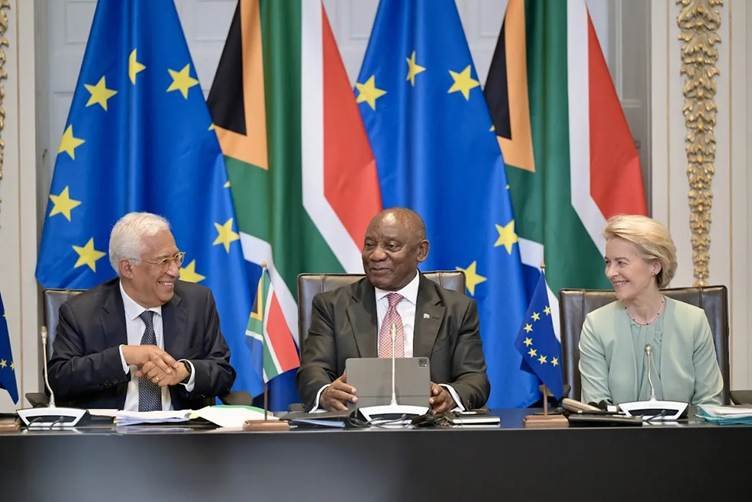
Authentic partnerships based on respect, shared interests and long-term commitment are at the heart of Global Gateway
the President of the European Commission has emphasised.
Regularly highlighted by Ursula von der Leyen, this approach reflects the EU’s ambition to position itself as a long-term strategic partner for Africa.
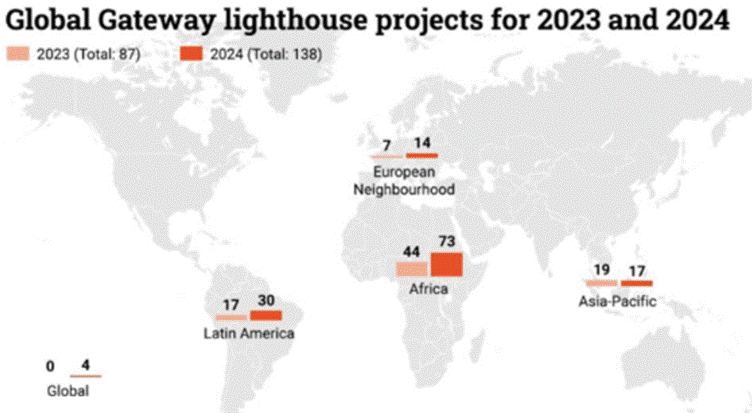
Since its launch, Global Gateway has brought together a wide range of EU-supported initiatives in Africa, notably in energy, transport infrastructure, digital connectivity and urban services. Projects linked to electricity networks, renewable energy deployment or digital public services illustrate this integrated approach, combining physical infrastructure, energy transition and digital innovation.
Global Gateway Early-Stage Investment complements this framework by focusing specifically on early-stage project development, including feasibility studies, technical design, financial structuring and pilot initiatives — phases that are often underfunded yet critical to project success.
Targeted sectors and financing framework
According to European Commission documentation, the total budget of the mechanism amounts to around €40 million, with grants of up to €2 million per project, over durations ranging from 12 to 36 months. Depending on project characteristics and expected impact, funding may cover a substantial share of preparation costs.
Priority sectors include energy, transport, sustainable urban development, digital technologies and artificial intelligence, in line with Global Gateway priorities.
A strategic tool to enhance project bankability
The EU’s objective is to improve project bankability, a key condition for unlocking larger-scale public and private financing. As noted by Jutta Urpilainen, European Commissioner for International Partnerships, private sector mobilisation is essential for sustainable development.
“Mobilising the private sector is essential to foster sustainable growth, job creation and local value addition, especially for young people,” she has stated in relation to Global Gateway.
While calls for proposals primarily target European actors — companies, SMEs, universities, research institutes and consortia — funded projects must be implemented in partner countries, including many African nations, fostering Europe-Africa partnerships from the earliest stages of project design.
Addressing a structural challenge in Africa
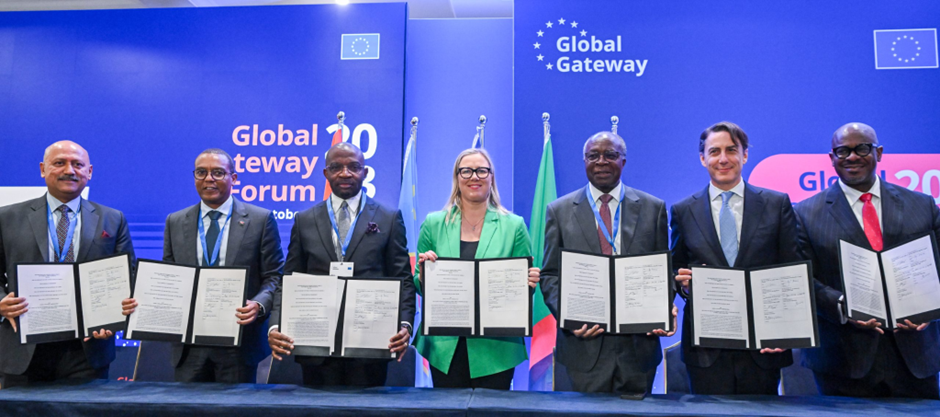
In Africa, limited financing for early-stage project preparation remains a major barrier to implementation. Technical studies, legal assessments, financial structuring and pilot phases are often costly and difficult to fund locally.
By addressing this gap, Global Gateway Early-Stage Investment could play a structuring role for African SMEs, startups and innovative project developers, particularly in clean energy, smart urban mobility and AI-driven public services.
Together, we want to build greener and more competitive economies, promote skills and create jobs, especially for Africa’s dynamic youth
Ursula von der Leyen has said regarding Europe-Africa cooperation.
Applications must be submitted by March 16, 2026 at noon (Brussels time) through the dedicated EU platform. Grant agreements are expected to be signed in summer 2026, allowing projects to start before the end of the year.