

Ethiopia : Launch of “Digital Ethiopia 2030” Targets 128 Million Mobile Users and Full 5G Coverage
Ethiopian Prime Minister Abiy Ahmed has launched the Digital Ethiopia 2030 strategy, an ambitious roadmap to transform the country into a modern digital economy. With a goal of 128 million mobile subscribers and full 5G coverage by 2030, Ethiopia aims to strengthen digital inclusion, innovation, and regional competitiveness.


Ethiopia is accelerating its digital transformation with the official launch of the Digital Ethiopia 2030 strategy, succeeding Digital Ethiopia 2025, which the government says it has “achieved almost all of its objectives,” according to Prime Minister Abiy Ahmed.
Technology must serve society, not the other way around
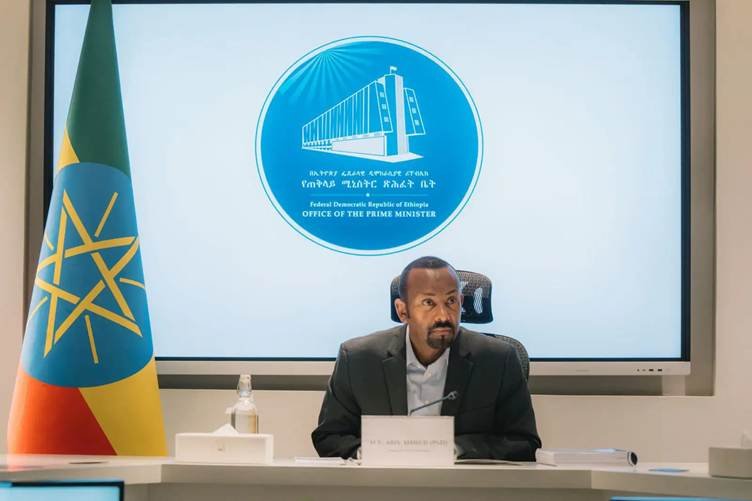
During the launch ceremony, Prime Minister Abiy highlighted that the main pillars of the new strategy are the expansion of public digital infrastructure, equal access for all citizens, and strengthening trust between institutions and the population. “Our approach is citizen-centered. Technology must serve society, not the other way around,” he said.
Digital Ethiopia 2025 had already marked significant milestones: over 97 million mobile subscribers, including 57 million internet users, and 4G coverage expanded to 1,030 cities. The Fayda Digital ID program registered 30 million citizens, facilitating access to public and financial services.
According to Deputy Prime Minister and Chair of the National Digital Transformation Council, Temesgen Tiruneh, Digital Ethiopia 2030 will be implemented over the next five years, with precise indicators to measure progress across all sectors and to consolidate the achievements of the previous strategy.
Close coordination between government, private sector, and civil society
Implementation will require close coordination between government, private sector, and civil society, emphasized Myriam Ali, Digital Advisor to the Prime Minister’s Office. Transparency and accountability are central to the approach.
Universal access and integrated services require collective commitment from all stakeholders
The Fayda program will be at the center of the strategy, with full integration of services at the local level, stated Yodahie Arayaselassie, National Coordinator of the Digital Identity Program. “Universal access and integration of services require collective commitment from all stakeholders,” he stressed.
In terms of infrastructure, Ethio Telecom, under the leadership of Frehiwot Tamru, projects that the number of mobile subscribers will reach 128 million and that 5G coverage will be complete across the country. Digital payments are expected to grow more than sevenfold, contributing to a more formal and connected economy.
Cybersecurity: a major priority

Cybersecurity is also a major priority. Tigest Hamid, Director General of the Information and Network Security Administration, explained that the strategy aims to strengthen critical infrastructure, modernize public systems, and create a national incident response center.
Artificial intelligence constitutes another strategic pillar. According to Worku Gachena, Director General of the Ethiopian AI Institute, the plan includes developing the AI ecosystem, establishing structured data governance, and creating an independent national data authority to standardize public services.
Positioning Ethiopia as a regional digital hub

This strategy is part of a pan-African vision: as the second-largest economy in the Horn of Africa, Ethiopia seeks to become a regional digital hub capable of attracting foreign investment and strengthening its competitiveness against countries such as Kenya or Nigeria, already leading in the digital sector. The African Development Bank recently emphasized the importance of these initiatives for boosting financial inclusion and technological innovation across the continent.