

Clean energy : “the future and climate issues will be more and more decided in Delhi, Dakar, Baghdad, Jakarta”
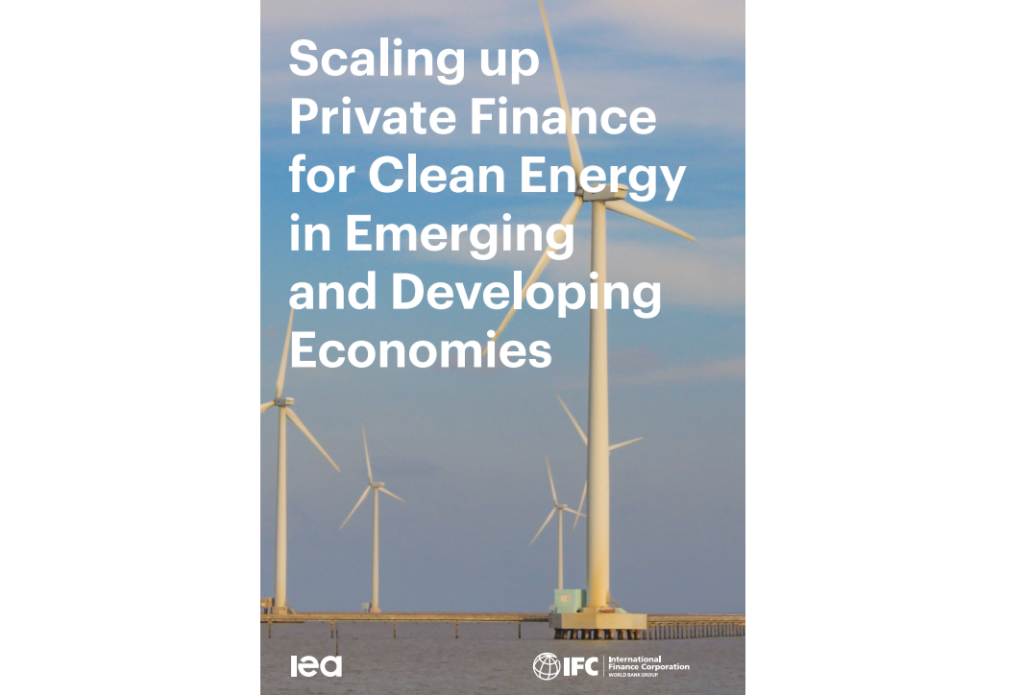
On the eve of the Paris Summit for a new Global Financing Pact, the International Energy Agency (IEA) and the International Finance Corporation (IFC) have published a joint report. It is entitled "Scaling up Private Finance for Clean Energy in Emerging and Developing Economies". It is a kind of plea, with figures, for an unprecedented mobilization of capital, especially private capital, to meet the challenge of financing clean energy worldwide.

By Dounia Ben Mohamed in Paris
In a discussion a year ago, Fatih Birol and Makhtar Diop, heads of the International Energy Agency (IEA) and the International Finance Corporation (IFC) respectively, expressed concern about what they saw as the « climate emergency », meaning that emerging and developing countries should join forces « to meet the challenge of financing clean energy ». This concern led to the publication of a report, « Scaling Up Private Finance for Clean Energy in Emerging and Developing Economies », on the eve of the summit for a new financing pact.
“Annual clean energy investments in emerging and developing economies will need to more than triple by 2030, to meet rising energy need”
After an in-depth examination of the issue, the report’s conclusion is one of optimism, even if the picture is not all rosy:” clean energy investments are growing. But and this is the bad news, investments in emerging markets are still tiny. Estimating that annual clean energy investments in emerging and developing economies will need to more than triple from $770 billion in 2022 to as much as $2.8 trillion by the early 2030s to meet rising energy needs and align with the climate goals set out in the Paris Agreement, the latter made their case for a new global finance pact at the Paris Summit, with figures and arguments to back it up. The priority is to mobilize private capital through blended finance – the $135 billion of annual private financing for clean energy in these economies needs to grow to $1,100 billion per year over the next decade, » the report says.
“Investment is the key to ensuring they can benefit from the new global energy economy that is emerging rapidly”
« Since the Paris agreement of 2015, more than 90% of the increase in clean energy has come from advanced economies and China. This compares to 10% from emerging and developing countries. That’s why we think we have to change this trend ». This is Fatih Birol’s appeal. The IEA Executive Director is also convinced that “the future of the energy world and climate issues will be more and more decided in Delhi, Dakar, Baghdad, Jakarta.” « Investment is the key to ensuring they can benefit from the new global energy economy that is emerging rapidly, » he added.
At the same time, he stressed that this offers many benefits and opportunities, including greater access to energy, job creation, growing industries, improved energy security and a sustainable future for all.
At the same time, he stressed that this offers many advantages and opportunities – including expanded energy access, job creation, growing industries, improved energy security and a sustainable future for all.
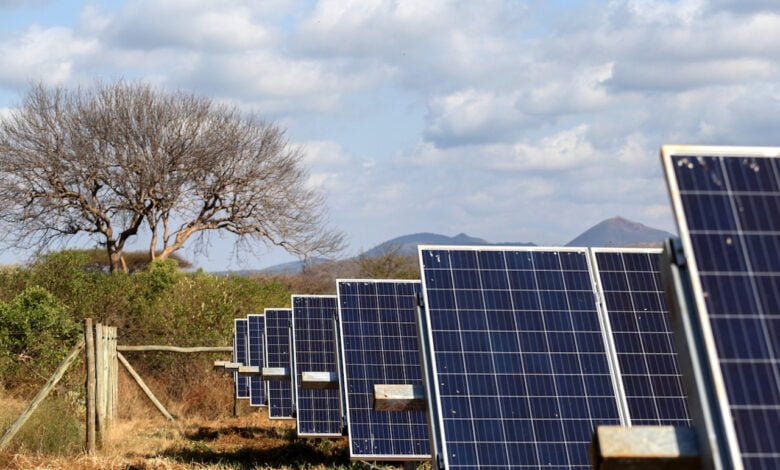
He noted that one in two people in sub-Saharan Africa has no access to electricity. « 40% of the of global solar-power potential is from sub-Saharan Africa. It is the richest region in the world. Solar energy is currently the cheapest source of electricity in the world. But all the solar power produced in sub-Saharan Africa is less than the solar power produced in the Netherlands. Look at the size of Africa and the size of the Netherlands, how much sun there is in Africa and how much there is in the Netherlands, » he said. In his view, to meet all these challenges, « the current 250 billion needs to be multiplied by 7 to match our energy and climate costs. And our analysis shows that about 60% of the financing for clean energy in emerging and developing countries will have to come from private sources.”
“To address the pressing energy demands and emissions reduction goals in EMDEs, we need to mobilize private capital at speed and scale and urgently develop more investable projects”
To this end, 4 areas have been developed. These include data collection and sharing. For Makhtar Diop, investors are ready to put more money into the sector, but they are asking themselves a number of questions, including the risk involved in investing in low-income countries. « So, they need to better understand that level of risk before they can invest, » he says. He goes on to say that even profitable projects need to be clearly identified. « Investors want to have a large amount of money to invest. They don’t want to invest $10 or $20 million a year, they want to invest $100 million to convince their board, » he stresses.
The former World Bank vice-president, whose responsibilities included energy, cites the example of solar technology. According to him, increased investment in this niche has led to a drop in the cost of the technology, which has become much cheaper and more accessible. « The battle against climate change will be won in emerging and developing economies where the potential for clean energy is strong but the level of investments is far below where it should be. To address the pressing energy demands and emissions reduction goals in EMDEs, we need to mobilize private capital at speed and scale and urgently develop more investable projects, » concludes Makhtar Diop. He sees the report as a call to action and a clear roadmap on what is needed to meet both climate and energy goals.
Meanwhile, the report emphasizes the need for greater international technical, regulatory and financial support to unlock the potential for clean energy in emerging and developing economies. By strengthening regulatory frameworks, energy institutions and infrastructure, and improving access to finance, this support can help governments overcome obstacles that deter clean energy investments today, including relatively high upfront costs and a high cost of capital.
« Europe needs additional energy. But Africa needs even more energy “
It remains to be seen whether the lobbying carried out by the two agencies at the Paris Summit for a new financial pact will have achieved the desired results. In a world beset by an unprecedented energy crisis, the green rhetoric is unlikely to have the desired resonance, while the main consumers of fossil fuels, the United States and China, were among the big absentees. « It’s important to note that today, Europe needs additional energy. But Africa needs energy even more », retorted Fatih Birol. Represented by a dozen heads of state, Africa will have made its voice and its voice heard on the subject. And to increase their influence, Kenya and Senegal have joined the IEA. This brings to three the number of sub-Saharan African countries in the organization, which now has a total of 13 member states.