


By Oumar FEDIOR, in Accra
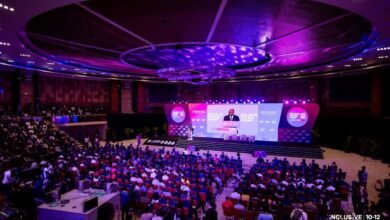
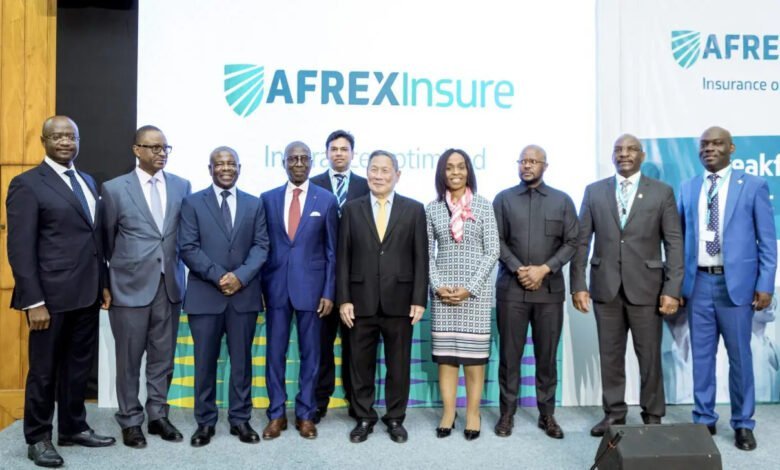
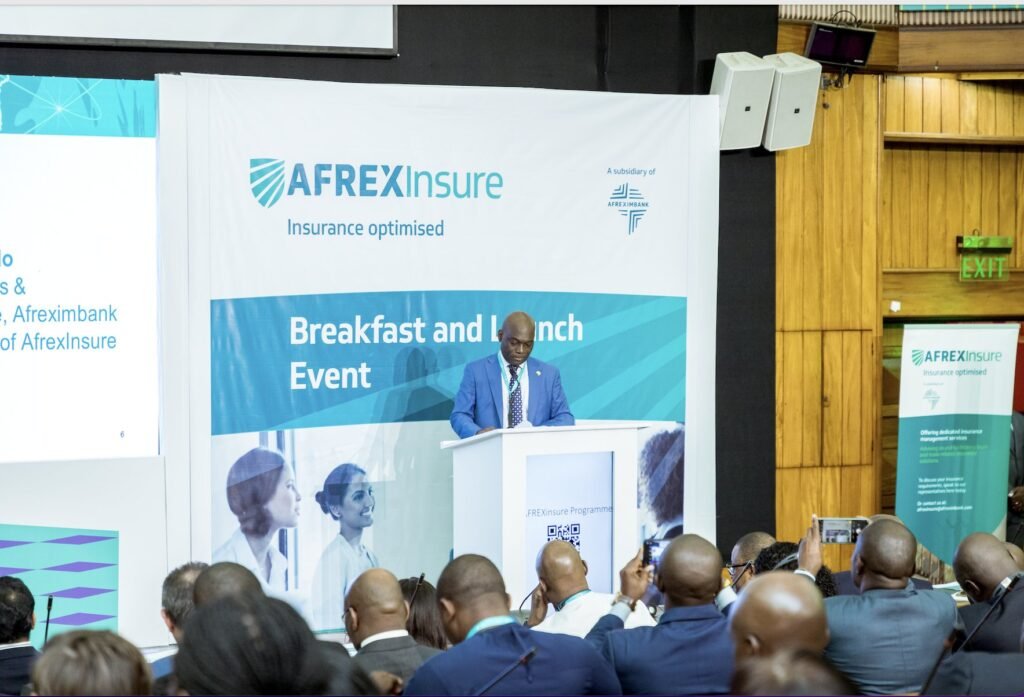
US$120 billion and US$100 billion. These are the trade and infrastructure financing gaps in Africa. The numbers speak for themselves. They were provided by Benedict Oramah, Chairman of the Board of Directors of Afreximbank. He was speaking on June 18 at the opening of the bank’s 30th anniversary celebrations in Accra, Ghana. In a context of scarce resources, Afreximbank has decided to invest in the insurance niche. Afrexim Insurance Management Company « AfrexInsure » is its new brainchild.
By reducing the risk of transactions or investments, insurance can help drive forward business strategy for those engaged in intra-African trade
“As a key management tool for trade, enabling businesses to pursue ambitious business strategies by lowering risk, tailored insurance and reinsurance products for Africa will have a significant influence on boosting African trade. By reducing the risk of transactions or investments, insurance can help drive forward business strategy for those engaged in intra-African trade and enable global partners to further their commercial interests and ambitions in Africa,” said Benedict Oramah.
Specifically, he points out that the approach is all the more urgent because the infrastructure deficit continues to hamper the growth of African trade. Air transport remains prohibitively expensive, while rail transport is often not an option due to a lack of rail infrastructure. At the same time, road and sea transport, which dominate African trade, are often unsuitable for many products because of their relatively short perishable life.
Solution through AfCFTA?
Although it has been ratified by 47 African countries, the African Continental Free Trade Area (AfCFTA) has been slow to get off the ground. The main reason is a lack of funding. This is the diagnosis of its president, Mohammed Issoufou, a former president of Niger. According to him, even if trade barriers are dismantled, the goals will not be achieved if there is not enough money. That is why he believes the AfCFTA and Afreximbank should be seen as natural partners. « Africa is counting on Afreximbank to build a better future. Africa’s annual trade deficit is $81 billion, while the continent is still recovering from the SARS pandemic and is still reeling from the Russia-Ukraine crisis. These are serious threats. But they can also be an opportunity to reduce our dependence on the outside world. We must secure our food sovereignty. Speeding up the AfCFTA is a lever that can help us turn this crisis into an opportunity, » he stressed.
Accelerating the AfCFTA is a lever that can help turn this crisis into opportunity
Aliko Dangote, one of the pillars of the African private sector, also has high hopes for the AfCFTA. He believes that this initiative is the way forward to achieve the goals of development and economic resilience through trade. To achieve these goals, he calls on the banking sector to work together to provide more facilities and support to stakeholders. [Africans must have good banks and sound financial institutions, » he said.
According to a World Bank note, the AfCFTA, which came into force on January 1, 2021 and has been signed by 54 countries (but ratified by only 44), could enable African countries to lift 30 million people out of extreme poverty and increase the incomes of 68 million others living on less than $5.50 a day. Of the $450 billion in potential gains, about $300 billion would come from trade facilitation measures aimed at reducing red tape and simplifying customs procedures.