

AGM Women Network : when female capital redefines agricultural investment in Africa
On December 11, 2025, the AGM Women Summit brought together entrepreneurs, investors, and international experts around a key issue: making agricultural investment driven by women a strategic lever for economic transformation in Africa.

By Dounia Ben Mohamed, in Paris
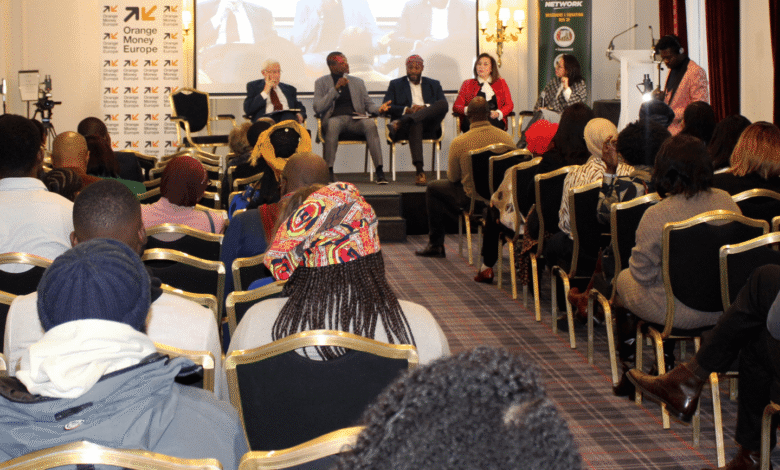
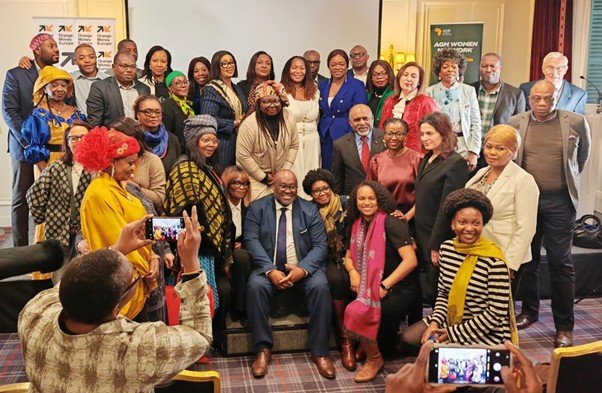
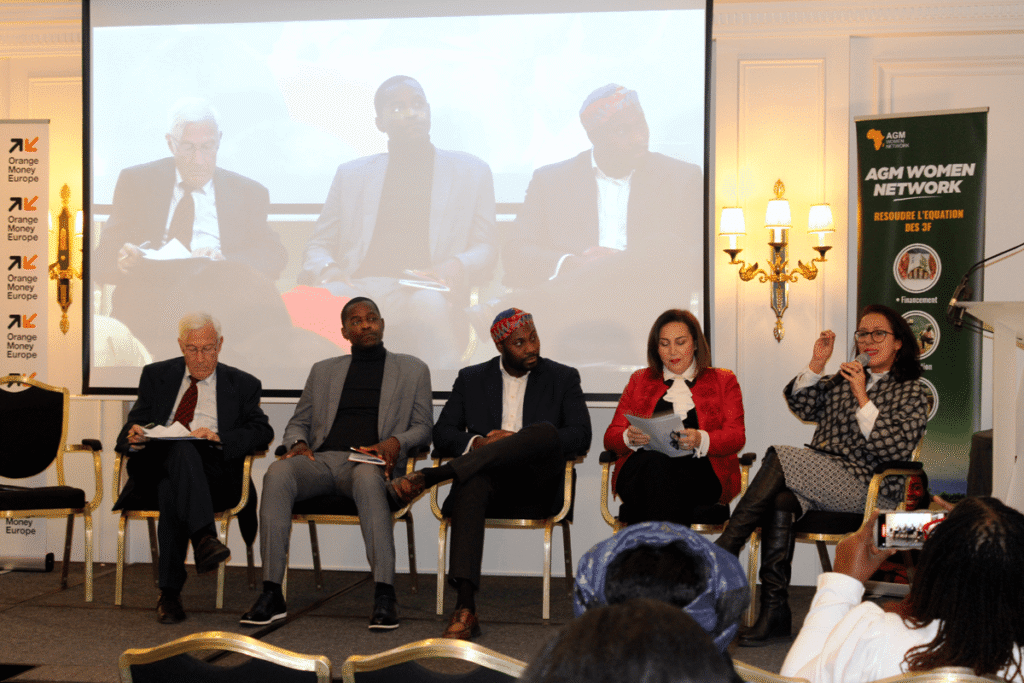
On December 11, in the heart of Paris, the AGM Women Network brought together innovative female entrepreneurs, decision-makers, financial experts, and investors from Africa, Europe, Asia, and the Middle East for a half-day event dedicated to investment opportunities in African agriculture and agribusiness. The event carried a strong message: the future of African agriculture will be built with women, or it will not be built at all.
Economic empowerment of women is not just a matter of social justice: it represents a strategic opportunity...
Held at the Intercontinental Paris Hotel, this first international edition, titled « Human Capital for Women and Agricultural Investment in Africa: A Structural Challenge and Golden Opportunity », emerged as a strategic meeting for those wishing to diversify their portfolios, identify high-potential agribusiness projects, invest in innovation (AgriTech, AI, local transformation), and invest alongside women, true value creators on the continent.
Changing Perspectives to Take Action
The founder of AGM Women Network, Charlotte Libog, set the tone: « Economic empowerment of women is not just a matter of social justice: it represents a strategic opportunity to strengthen Africa’s food sovereignty and ensure sustainable agricultural growth. »
The event maintained a resolutely operational stance, far from mere rhetorical speeches. The goal was clear: to turn a widely documented fact into concrete investment opportunities. The numbers speak for themselves. Africa holds nearly 65% of the world’s untapped arable land, while women represent around 70% of the agricultural workforce, yet they have access to only 15% of the land and less than 7% of formal financing.
The Crux of the Issue: Solving the 3F Equation
At the heart of the discussions: the 3F equation (Financement, Formation, Foncier, in french) – Financing, Training, and Land. The roundtable on access to finance highlighted a major paradox: In Africa, less than 10% of bank financing goes to agriculture, even though the sector represents between 40% and 60% of jobs. Women, who are at the core of the value chain, capture less than 7% of financing. This imbalance also represents a treasure trove of opportunities.
Come together! Investors are not interested in small projects
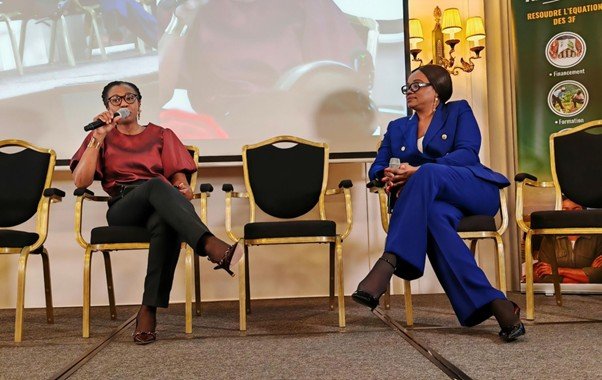
At the table, Pierre Cadet (President of FADIA), Maxime Dossa (CEO of DM Consulting), Seyimi Ahouandogbo (expert in financing and fundraising), and Safaa Alhamaydeh (Middle Eastern financing specialist) shared concrete solutions: structuring projects, guarantee mechanisms, support for bankability, partnerships with Gulf funds, and a logic of grouping projects to reach an attractive size for investors.
A recurring message was: « Investors finance solid projects, not intentions. » « Come together! Investors are not interested in small projects, » urged Pierre Cadet.
Sectors, Women, Territories
Wassilati Mbae, an international expert on the Ylang-ylang industry, illustrated the strategic importance of agricultural sectors. Coming from the Comoros, she reminded the audience that Ylang-ylang alone represents 20% of her country’s exports, while emphasizing the urgency of developing local transformation. « We must create our own African business model. Imported tools are not always adapted to our realities. »
Know-how must transform into power-to-do, then into know-how-to-do
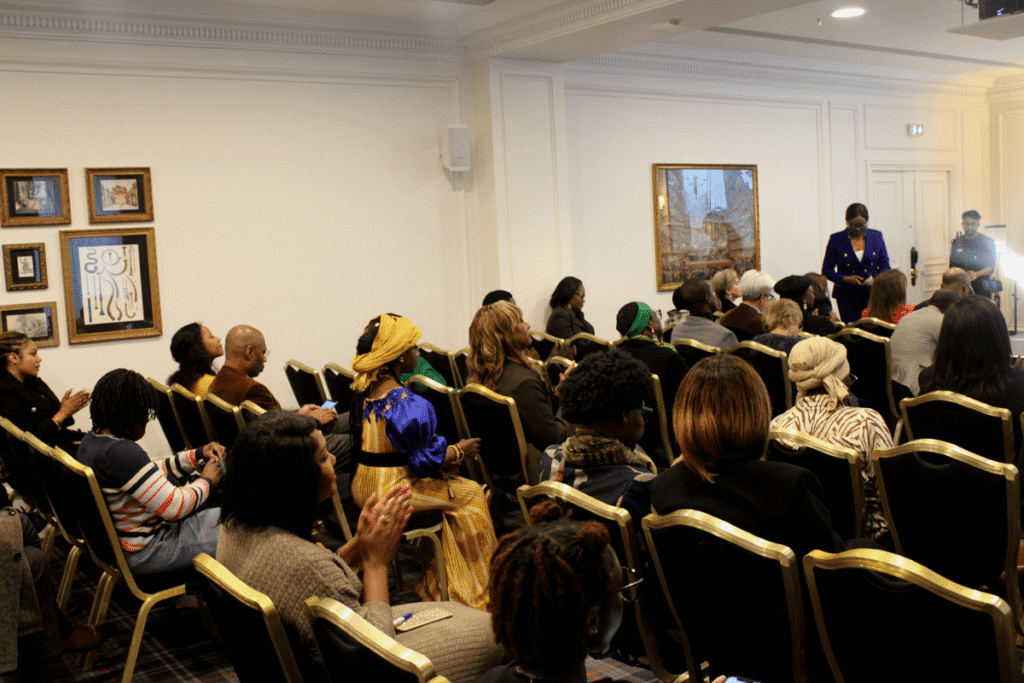
The same observation came from those involved in agro-transformation and training. Nathalie Brigaud Ngoum, a chef, consultant, and marketing engineer, distinguished at the event, summed up the issue with this phrase: « Know-how must transform into power-to-do, then into know-how-to-do. »
Female Agricultural Entrepreneurship: A Lever for Resilience
Beyond profitability, discussions underscored the critical role women play in climate resilience, food security, and social stability. In Africa, women reinvest up to 90% of their income into education, health, and local development. Supporting their agricultural projects is thus acting simultaneously on growth, inclusion, and sustainability.
Men were not absent from the meeting. Testimonials from male actors in the sector also confirmed that diversity improves economic performance, with more innovative, resilient, and profitable companies.
A special guest, Vincent Dakuyo, who traveled from Burkina Faso specifically for the occasion, demonstrated, with figures to back him up, that investing in female agro-entrepreneurs is not only socially just but economically profitable. CABRE SA, an agro-industrial company committed to supporting women producers, has a turnover of nearly 2 million euros, generated through a model based on financing, equipping, and supporting thousands of women in the maize and sesame sectors. An inspiring return on experience, confirming that female capital is a powerful lever for performance, local value creation, and sustainable agricultural transformation in Africa.
A Catalyst for Sustainable Partnerships
More than just a summit, the AGM Women Network acted as an accelerator for connections and decisions. B2B, high-level networking, presented projects, co-investment perspectives: the foundations of lasting collaborations were laid.
As Charlotte Libog concluded: « Transforming female agricultural financing is investing in the future of Africa. »
For more information : agmwomennetwork.com