

AfDB 2023 Annual Meetings : mobilizing private sector financing for climate and green growth in Africa
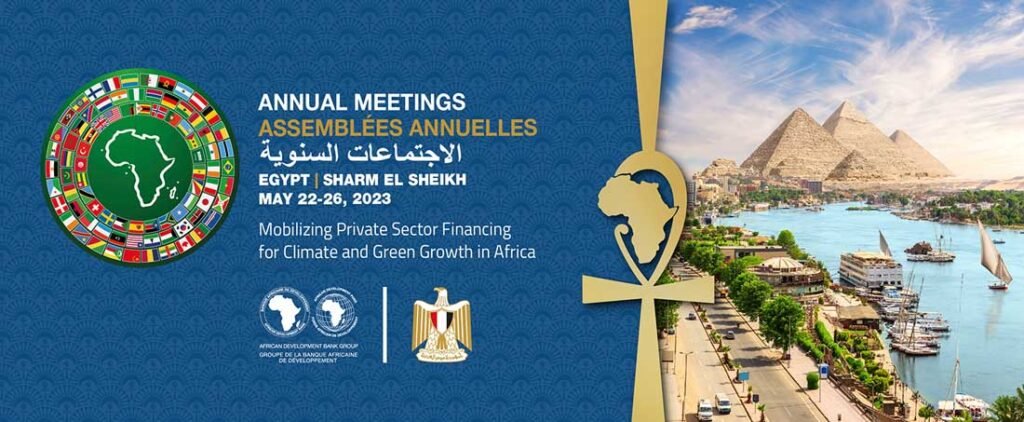
Climate-induced shocks represent one of the biggest threats to Africa’s socio-development prospects. All recent climate projections unanimously point to the fact that Africa will remain one of the most hard-hit continents by increased global warming. The theme of the next edition of the Annual Meetings of the African Development Bank to be held from May 22 to 26 at Sharm el-Sheikh, Egypt.

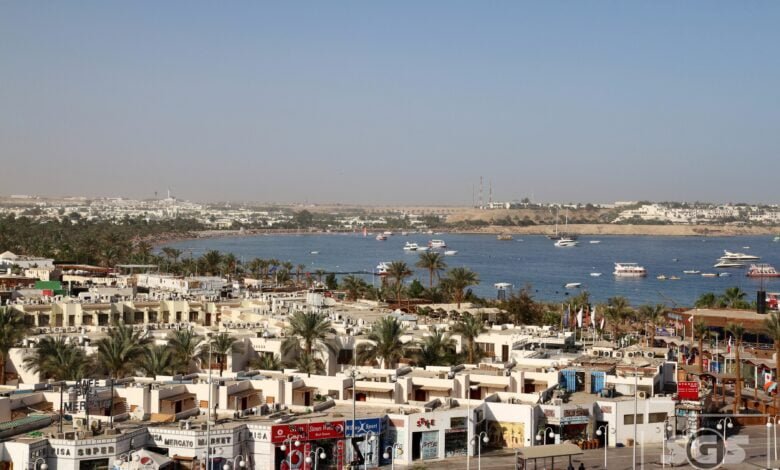
The Egyptian resort city of Sharm El Sheikh will be the venue for the Bank Group’s Annual Meetings from May 22 to 26. Each year, the Annual Meetings of the African Development Bank (AfDB) Group represents an opportunity for knowledge dissemination among high-level decision makers in Africa, key officials of bilateral and multilateral Development Agencies, leading academics and representatives of non-governmental organizations, civil society, and the private sector.
The approved theme for the meetings, which comprise the 58th Annual Assembly of the African Development Bank and the 49th meeting of the African Development Fund is Mobilizing Private Sector Financing for Climate and Green Growth in Africa.
Africa is estimated to have lost annually about 5 percent – 15 percent of its GDP per capita growth between 1986 – 2015 due to climate change-related hazards
Africa has experienced a recurrence of climate risks, shocks, and other extreme weather events over the past two decades. A total of 131 extreme-weather, climate change–related disasters were recorded on the continent in 2020 and 2021. Africa is estimated to have lost annually about 5 percent – 15 percent of its GDP per capita growth between 1986 – 2015 due to climate change-related hazards. Despite its low contribution to global warming, the continent has continued to disproportionately suffer from climate-related natural disasters including droughts, desertification, floods, tropical cyclones, heat stresses, and water deficits, among others. Furthermore, in the absence of strong climate change policies, projections show that Africa could lose between 2 percent and 12 percent of GDP by 2100, depending on global warming scenarios, compared to less than 1 percent for the United States, European Union, and United Kingdom or between 1 percent and 5 percent for China.
A gap of up to US$127.2 billion a year will remain through 2030
Addressing climate change and promoting a green transition is thus fundamental for Africa’s sustainable development. But this will require mobilizing substantial resources. According to the AEO 2022, between US$1.3 trillion and US$1.6 trillion are needed over 2020–2030 to implement Africa’s climate action as expressed in countries’ National Determined Contributions (NDCs). Set against climate finance flows received annually by Africa, a climate financing gap of up to US$127.2 billion a year will remain through 2030 under these trends. With the unmaterialized promise of mobilizing and providing US$100 billion in climate finance by developed countries and the acute fiscal constraint in most African countries, further exacerbated by the COVID-19 pandemic and the ongoing Russia’s invasion of Ukraine, alternative sources of financing are needed for climate change and green growth.
To mobilize alternative sources of financing for climate change and green growth in Africa
The urgent need to mobilize alternative sources of financing for climate change and green growth in Africa – in particular by leveraging domestic and international private sector and harnessing the continent’s abundant natural capital, informed the choice of the approved theme for the 2023 Annual Meetings and the planned knowledge events. The focus will allow the Bank to serve as a convenor and thought leader on the twin issues of climate change and green growth transition in Africa. Coming few months after COP27, the “Africa’s COP”, the discussions during the 2023 Annual Meeting Knowledge Events will allow for timely and candid assessments and discussions, as well as explicit and practical recommendations on how Africa can mobilize private sector financing to adapt to climate change and mitigate its impacts, meet its low-carbon transition objectives, and achieve its ambitions for green growth and sustainable development. It will also allow the Bank to respond to one of its commitments to increase strategic alignment and operational focus through supporting a transition to low carbon and climate-resilient development.