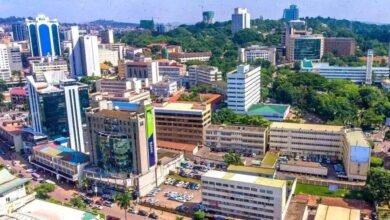


Accra, Laboratory of a new, growing Africa
After the 2022 crisis marked by a debt default and record inflation, Ghana in 2025-2026 shows a clear improvement in macroeconomic indicators. Rapid disinflation, a rebounding cedi, a current account surplus, and soaring gold revenues are reshaping the economic landscape. The challenge remains to turn this stabilization into sustainable and diversified growth…

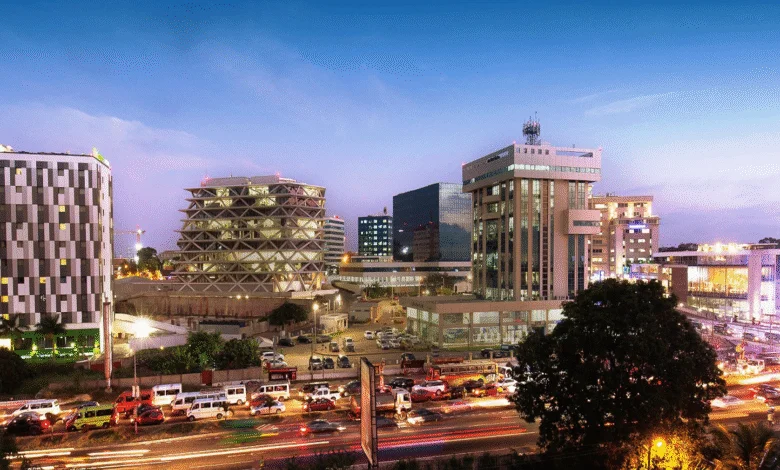
There are countries that endure crises, and others that use them as a springboard. Ghana, after the partial debt default in 2022 and inflation peaking at 54.1% in December (Ghana Statistical Service), is striving to belong to the latter category. With the support of a $3 billion International Monetary Fund (IMF) program approved in 2023, the country embarked on a rigorous rebalancing.
Ghana’s story is no longer one of economic crisis, but of recovery and renewal
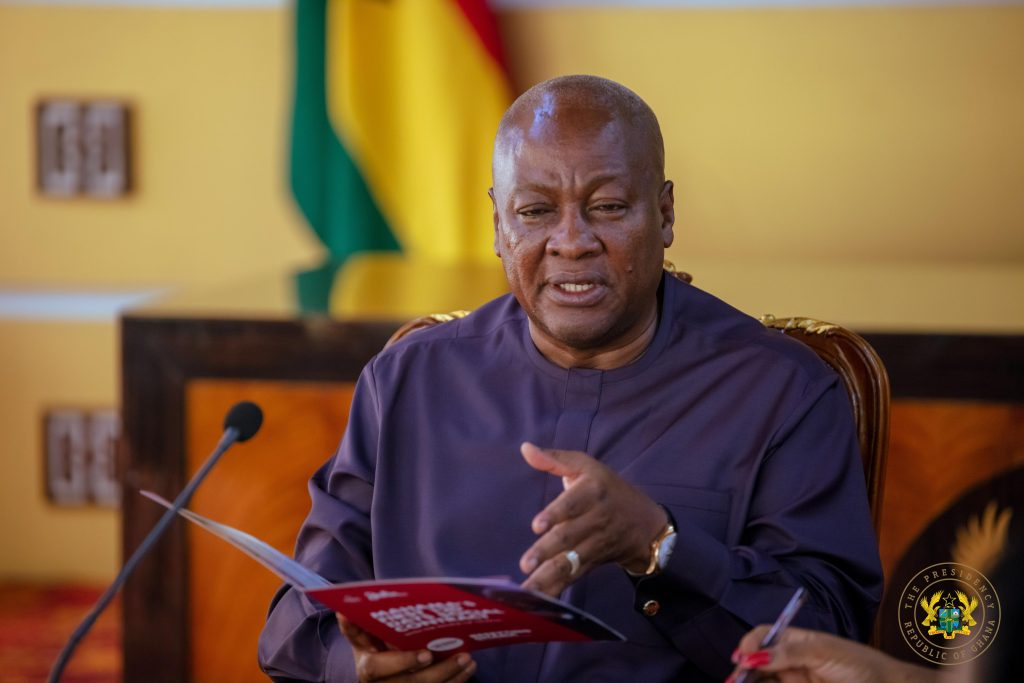
Three years later, the first results are tangible. “Ghana’s story is no longer one of economic crisis, but one of recovery and renewal,” Finance Minister Cassiel Ato Forson said during the 2026 budget presentation. Promising: Ghana is “back, strong, credible, and open for business.” On the roadmap, good governance and the fight against corruption remain central, reflecting President Mahama’s campaign focus on economic issues.
Resilience Confirmed by External Indicators
For now, the figures are in the green. The Bank of Ghana confirms that inflation fell to 3.8% in January 2026, its lowest level since 2021, after thirteen consecutive months of decline. The cedi, stabilized and strongly appreciating (+36% against the dollar over the period), reflects renewed confidence.
According to the IMF, Ghana posted a current account surplus of 3% of GDP at the end of June 2025, up from 1.8% a year earlier, and gross international reserves reached $9 billion, equivalent to 3.5 months of imports—a strong signal in an African context marked by uncertainty.
Dr. Prosper Adiko, economist at the University of Ghana, notes: “These figures show that Ghana is not just recovering from the crisis: it is redefining its economic trajectory. But caution remains necessary, as dependence on gold and commodities remains a vulnerability.”
Gold, a Pillar and a Dependence
As Africa’s leading gold producer, Ghana nearly doubled its gold revenues in 2025, reaching $20.9 billion according to the Bank of Ghana, with production of 6 million ounces (Ghana Chamber of Mines). Gold represents roughly 67% of national exports—a weight that is both driving and risky. The establishment of the Ghana Gold Board (GoldBod) aims to formalize and better control the value chain, particularly artisanal mining.
“The formalization of artisanal gold allows for secure revenues while strengthening traceability and the capture of foreign currency,” explains Ernest Kwarteng, analyst at GoldBod. The IMF, however, notes that costs related to the Domestic Gold Purchase Program and GoldBod activities accounted for 0.2% of GDP in Q3 2025, highlighting the importance of transparent integration of these expenses into the national budget.
Diversification and Regional Ambitions
While gold remains a pillar, other sectors are stepping up. Oil and gas contribute to revenues. Similarly, the country is the world’s second-largest cocoa producer, with a dynamic agricultural sector feeding both exports and local agribusiness. The logistics and transport sector is expanding to connect ports and improve regional trade, while technology and digital services are growing in importance, supporting entrepreneurship and local startups.
According to Ama Agyemang, economic analyst in Accra: “Diversifying is not just about selling something other than gold; it’s about building value chains that generate jobs and wealth throughout the country.”
The Ghana must be a hub for West Africa, not just for its natural resources, but for its human capital and entrepreneurship
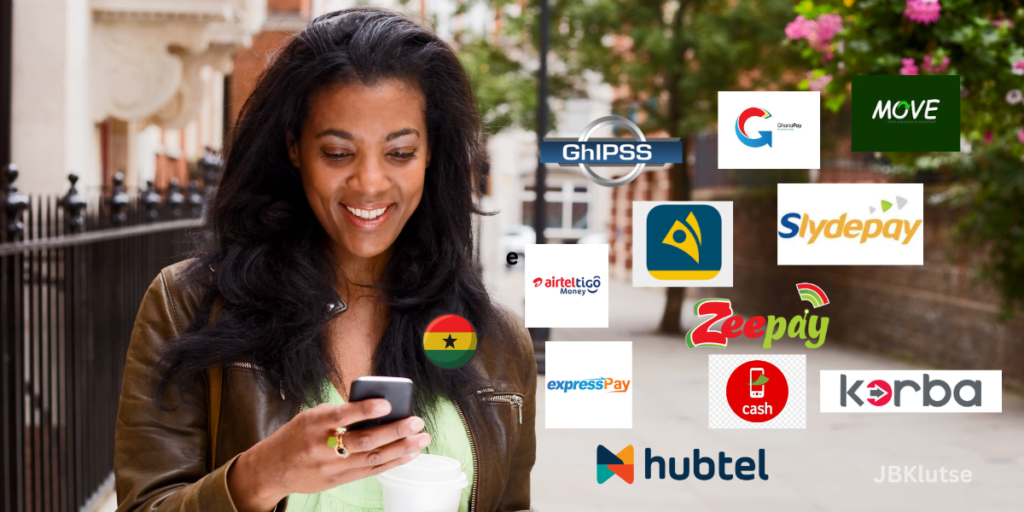
The presence of the AfCFTA Secretariat in Accra reinforces the country as a strategic regional platform. Massive public infrastructure investments, such as the 30 billion cedis planned for roads in 2026, aim to reduce logistics costs and strengthen regional integration.
President John Dramani Mahama affirms: “Ghana must be a hub for West Africa, not only for its natural resources but also for its human capital and entrepreneurship.”
Ghana, a Country That Appeals Beyond the Economy
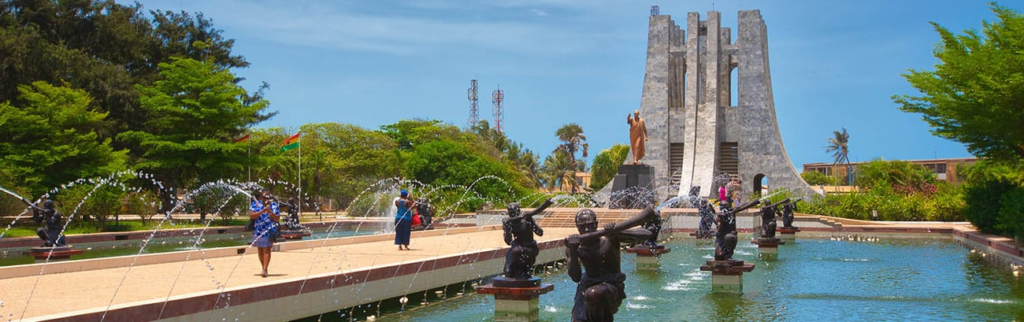
Accra is not only a business center and economic hub: it is also a cultural and tourist laboratory attracting Africans and the diaspora. From Afrobeat music resonating through the streets, colorful markets like Makola, trendy cafés and galleries, to festivals celebrating art and heritage, the capital exudes a real “way of life.” The government leverages this soft power to enhance the country’s attractiveness: since 2019, through the “Year of Return” program, over 1,000 African Americans have settled in Ghana, and many African travelers are discovering the country as a cultural and secure destination. As one journalist points out: “Ghana attracts not just through its numbers, but through its history, culture, and hospitality. It’s a country where you want to live, invest, and come back to.”
Towards Sustainable Growth
Clouds remain on the horizon, starting with high external debt, which stood at $29.53 billion at the end of September 2025, and the economy’s dependence on commodities exposes it to global price fluctuations. Regional inflation disparities—from 2.6% in the Savannah region to 11.2% in the North East—underscore that macroeconomic stability does not automatically resolve structural imbalances.
The real challenge for 2026 is to transform this fiscal and monetary discipline into inclusive growth
Dr. Selina Adu-Gyamfi, policy consultant in Accra, says: “The real challenge for 2026 is to turn this fiscal and monetary discipline into inclusive growth that benefits all regions and sectors.”
Meanwhile, according to IMF projections, Ghana would become the 8th largest economy in Africa in 2026 with a nominal GDP estimated at $113.49 billion, compared with approximately $108.1 billion in 2025 (+4.8%). This momentum is driven by gold, cocoa, oil, and services despite debt pressures.
These figures confirm a real, yet fragile, recovery. The central question remains transformation: converting stabilization into productive diversification, strengthening budgetary governance, and consolidating financial credibility without returning to past imbalances.
Ghana now walks a narrow line: discipline today, sustainable growth tomorrow.
Key Figures
Nominal GDP
$113.49 billion (IMF, 2026)
Inflation (CPI)
3.8% (January 2026, Bank of Ghana)
External Debt
$29.53 billion (Sept. 2025, Bank of Ghana)
Gold Exports
$20.9 billion (Bank of Ghana)
Gold Production
6 million ounces (2025, Ghana Chamber of Mines)
Gold Share of Exports
~67% (2025, Bank of Ghana)
Gross International Reserves
$9 billion (Oct. 2025, Bank of Ghana)
Current Account Surplus
3% of GDP (June 2025, IMF)
Public Road Investments
30 billion cedis (Official 2026 Budget)
Read the full report in our ANAMag special Ghana: At the heart of African innovation