

Economic recovery : South Africa sees the end of the tunnel
In the grip of economic difficulties in recent years, South Africa sees the end of the tunnel. A beginning of renewal that the country owes in large part to the success of the government's investment mobilization campaign launched by the government. The investment target of R1.2 trillion over five years is on the way to being achieved. But the country does not intend to stop there.

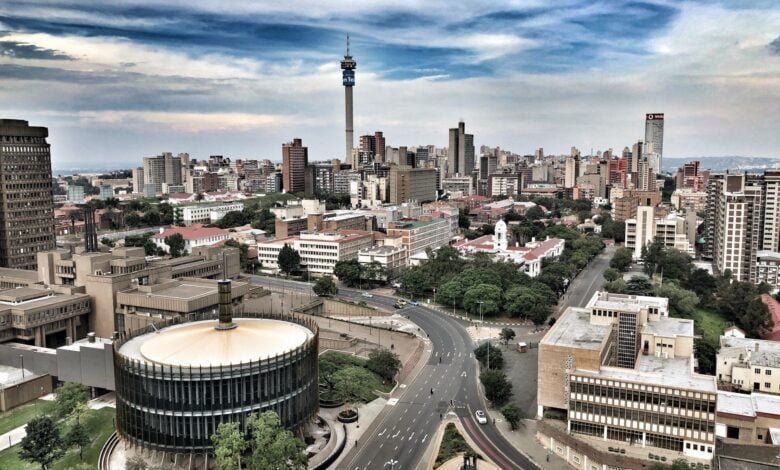
By Farai Diza, Johannesburg
South Africa does not stop in its desire to get back on the ramps of development. The objective of 1200 billion rand is about to be reached, now the country is planning. Now the government is looking for 2 trillion rand. This was revealed by its chairman Cyril Ramaphosa, as he spoke about the R2 trillion investment campaign. He hopes the nation would have achieved this feat in a five-year driving cycle that is already underway. Indeed, the year 2022 was marked in South Africa by a fluctuation in prices for consumers and businesses which caused enormous losses for South African businesses in the first half of 2023. Moreover, a Statistics South Africa report reveals that sales are down 0.8% in January compared to the previous year. Annual consumer price inflation was 6.9% in January. Highlights that President Ramaphosa recalled in his opening speech at the 5th South Africa Investment Conference (SAIC), which was held recently in Johannesburg.
“Nearly 70% of the projects announced since 2018 are either completed or nearing completion. To date, approximately R460 billion of capital has been invested in the construction of new factories, the purchase of equipment, the construction of roads, the sinking of mine shafts and the deployment of broadband infrastructure,” Mr. Ramaphosa said.
According to Cyril Ramaphosa, the engines of economic growth will be fueled by a stimulated industrial, technological and institutional modernization, a strengthening of infrastructures… And in this program, he indicates, the various special economic zones (SEZs) distributed throughout South Africa in places such as Richards Bay, Coega, Atlantis and Tshwane form an essential part. However, despite its great ambitions, the program does not seem to convince everyone, especially the main political opposition, the Democratic Alliance.
The DA’s spokesman for trade, industry and competition, Mr Dean Macpherson, believes ‘the proposed investment campaign will not address the root causes of unequal opportunity or benefit the majority poor and vulnerable citizens”. But the CEO of Business Leadership South Africa, Miss Busi Mavuso, wants to be optimistic. “Success signifies an endorsement of the optimism in the country’s growth prospects by the investment community. The fact that the government had the foresight to embark on a drive to mobilize investment in such a difficult economic environment is even more commendable,” Ms Mavuso said.
A positive development to attract investors
President Ramaphosa’s master plan comes at a time when South Africa is facing serious challenges necessitated by power cuts. For Miss Busi Mavuso, there is no need to look far, “only a positive development in the country can attract the confidence of investors. The government is apparently moving far too slowly in opening up critical industries to intensive private participation. The private sector is ready to roll up our sleeves and pitch in to solve South Africa’s problems and grow its economy,” she said.
For its part, the Reserve Bank, in its latest statement from the Monetary Policy Committee, drew attention to the impacts of the load shedding. “Shedding alone will deduct two percentage points from growth this year. It can also have broader price effects on the cost of doing business and the cost of living, particularly as diesel consumption increases,” she said. She recalls, moreover, that the ability to produce electricity that meets demand is where the investment campaign can be won.