

Moataz Helmy : “One of the key strengths of the African tech ecosystem is its ability to innovate and find solutions to local problems”
Africa is home to a thriving tech ecosystem that has seen tremendous growth in recent years. What are the strengths and weaknesses of Africa's tech sector? An analysis based on the experience and expertise of Afrilabs, a key player in this ecosystem.

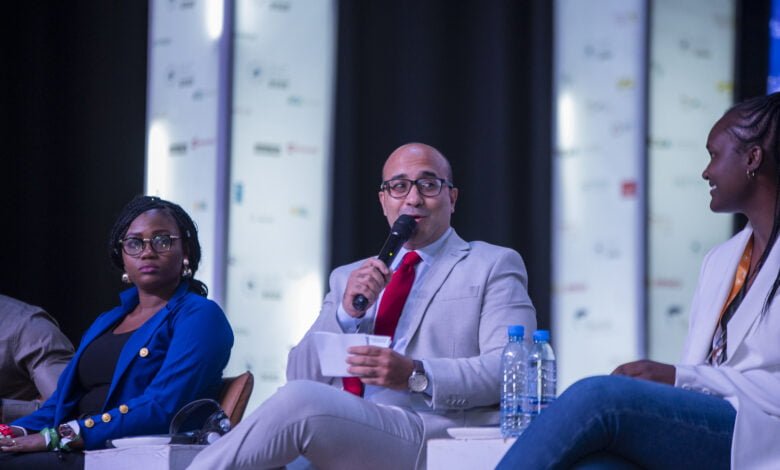
By Moetaz Helmy
The African tech ecosystem has seen tremendous growth in recent year, driven by a combination of factors including a young and vibrant population, increasing access to mobile and internet technologies, and a growing appetite for innovation and entrepreneurship. According to a recent report by Partech, the African tech Startup sector raised a record of $6.5 billion in funding in 2022 through 764 rounds, up from $5.2 billion in 2021 (+8% Increase YoY) led by Nigeria ($1.2 Billion) followed by South Africa ($830 Million) and Egypt ($787 Million).
This growth has been driven by a number of factors, including increased investment in the sector by both local and international investors, the emergence of a new generation of tech-savvy entrepreneurs, and the rise of mobile and internet technologies that have enabled greater connectivity and access to information.
This amount of investment is distributed among different sectors: fintech (39%) followed by cleantech (18%) and E-commerce (13%). While other sectors are still not very attractive for angel investors despite being very important like healthtech (4%), Mobility (4%), Logistic (4%) and Edtech (2%).
Strengths of the African Tech Ecosystem
One of the key strengths of the African tech ecosystem is its ability to innovate and find solutions to local problems. African entrepreneurs have been able to leverage technology to address a wide range of issues, from healthcare and education to agriculture and finance. This has led to the emergence of a number of successful startups across the continent, including Fawry, Flutterwave, Andela, and Jumia.
Another strength of the African tech ecosystem is its potential for growth. With over 1.3 billion people and a growing middle class, Africa represents a huge untapped market for tech products and services. This, coupled with increasing investment from both local and international investors, creates a fertile ground for innovation and entrepreneurship.
Weaknesses of the African Tech Ecosystem
Despite its many strengths, the African tech ecosystem still faces a number of challenges. One of the biggest obstacles is the lack of access to funding and resources. Many African startups struggle to secure the funding they need to grow, due to a lack of local investors and limited access to international capital.
Another challenge is the lack of infrastructure and support for startups. Many African countries still lack basic infrastructure such as reliable electricity and internet connectivity, which can hinder the growth of tech startups. In addition, there is a shortage of skilled tech workers in many African countries, which can make it difficult for startups to find the talent they need to grow.
Policy and Regulations
The regulation and policies of the tech sector in Africa differ from country to country and are still in a state of development in many regions. Several countries, including Tunisia, Senegal, and Nigeria, have implemented new Startup Acts and other policies to boost the tech sector, such as startup labeling, tax incentives, investment funds, and support for startups. Egypt has taken a more targeted approach, establishing separate regulations to support specific fintech innovation. Algeria has also taken steps to promote startups including the creation of a new ministry dedicated slowly to the knowledge economy and startups.
Women Led Tech-Businesses
Disrupt Africa and Madica have released a new report on gender equality in the African tech ecosystem, revealing a significant lack of gender diversity. Out of almost 2,500 African tech startups studied, only 14.6% had a female co-founder and 9.6% were led by a female CEO. Furthermore, only 21% of the 711 African tech startups that secured funding in 2022 and 2023 had at least one female co-founder, and just 11.7% were led by a female CEO.
In conclusion, AfriLabs has played a key role in driving the growth of the African tech ecosystem by providing a platform for collaboration, innovation, and entrepreneurship. Despite the challenges that the African tech sector still faces, there is no doubt that it has the potential to become a major force in the global tech landscape in the coming years.
With the right support and investment, African startups have the potential to not only solve local problems but also create innovative solutions that can be scaled up and applied globally. As the African tech ecosystem continues to grow and mature, it is clear that it will play an increasingly important role in shaping the future of technology and innovation.
*Moetaz Helmy is the Chairperson of AfriLabs