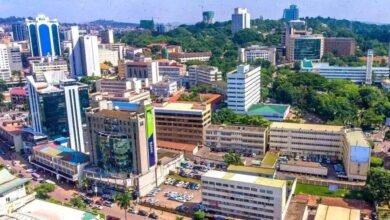


Togo: a coalition of six countries strengthens urban waste governance
The rapid growth of African cities presents a major challenge for waste management. According to the World Bank, Africa currently generates over 200 million tonnes of solid waste per year in urban areas, and this volume could reach 700 million tonnes by 2050 if no measures are taken to improve management systems. By the editorial team

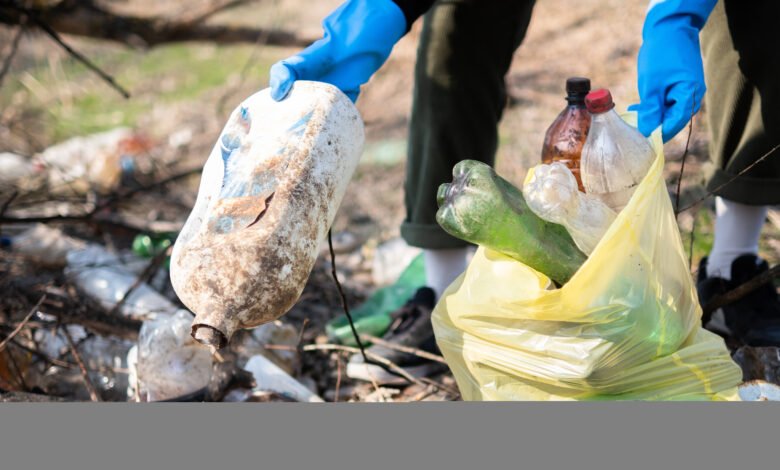
On March 22, Lomé hosted an unprecedented training program bringing together experts from Benin, Cameroon, Ghana, Gabon, Haiti and Togo to improve urban solid waste management in Francophone Africa. Organized with the support of the Agence française de développement (AFD) and the University of Lomé, this initiative is part of long‑standing efforts to structure a sector that is essential yet often overlooked in terms of public health, the environment and economic development.
200 million tonnes of solid waste per year in urban areas… 700 million tonnes by 2050
The rapid growth of African cities presents a major challenge for waste management. According to the World Bank, Africa currently generates more than 200 million tonnes of solid waste per year in urban areas, and this volume could reach 700 million tonnes by 2050 if nothing is done to improve management systems. This rapid growth is putting severe pressure on existing infrastructure, which is often insufficient or nonexistent in many African cities. Direct waste management costs represent a significant share of municipal budgets, with expenditures estimated at several billion dollars per year, not including health and environmental costs associated with pollution and diseases related to unmanaged waste sites.
However, this situation also offers economic opportunities. Recycling and waste recovery can generate local jobs, particularly in collection, sorting and the processing of recyclable materials, creating local value chains. The Organisation for Economic Co‑operation and Development (OECD) points out that effective waste management programs can contribute to thousands of green jobs and more resilient circular economies in urban areas.
An urban environment under pressure

Meanwhile, in Lomé, the population of Greater Lomé now exceeds 1.8 million inhabitants and is growing at about 4% per year, according to the Programme Environnement Urbain de Lomé (PEUL) supported by the AFD. This program estimates that more than 300,000 tonnes of solid waste are generated each year in the Togolese capital, with significant consequences for sanitation, health and the environment when this waste is not collected or treated efficiently.
The AFD has been supporting the city for more than ten years on these issues, with several project phases (PEUL I, II, III and IV) that have restructured collection channels, rehabilitated old dumps and improved waste management infrastructure. The support also includes formalizing recycling activities and mobilizing sustainable financing adapted to local realities.
Creating synergies among countries facing similar challenges
At the heart of Lomé, this workshop brought together specialists from six countries to address key topics: improvement of collection systems, sustainable financing, engagement of public and private actors, technological innovation, recycling and valorization, as well as public‑private partnerships.
For the Togolese authorities, represented notably by the Ministry of Environment and local governments, this meeting aimed to foster the exchange of best practices and strengthen the institutional and technical capacities of the stakeholders involved.
“Creating synergies among countries facing similar challenges makes it possible to share experiences and accelerate the adoption of effective solutions,” said an expert present in Lomé.
A key sector for sustainable development
Beyond simple collection and management, discussions embraced broader perspectives on the circular economy. Emphasis was placed on promoting integrated models including source separation, organic waste valorization through composting, plastic recycling, and support for informal sector initiatives that play a significant role in the urban waste management chain.
The involvement of academic actors such as the University of Lomé also strengthens the link between research, innovation and field action. Specialized laboratories are already contributing to training and applied research programs on these topics.
Insufficient funding
Despite progress, several challenges remain. Public funding dedicated to waste management is often insufficient and still largely depends on external aid. Sustainable financing models — including user fees, progressive service pricing or the integration of paid collection methods for populations — are still to be consolidated.
Rapid urbanization, logistical constraints and the lack of effective coordination between different levels of administration continue to hinder the overall effectiveness of the system.
A roadmap for the future
The Lomé meeting represents an important step in structuring a regional space dedicated to urban waste governance. It paves the way for the creation of expert networks and cooperation platforms between African cities facing similar challenges, while highlighting the need for sustained investments, adapted urban planning and integrated national policies.
At a time when African cities continue to grow, sustainable solid waste management appears to be an essential condition for improving quality of life, protecting the environment and supporting inclusive economic growth.