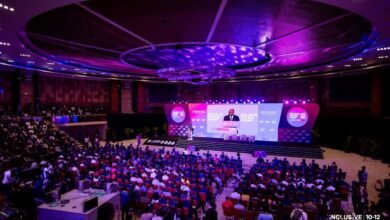



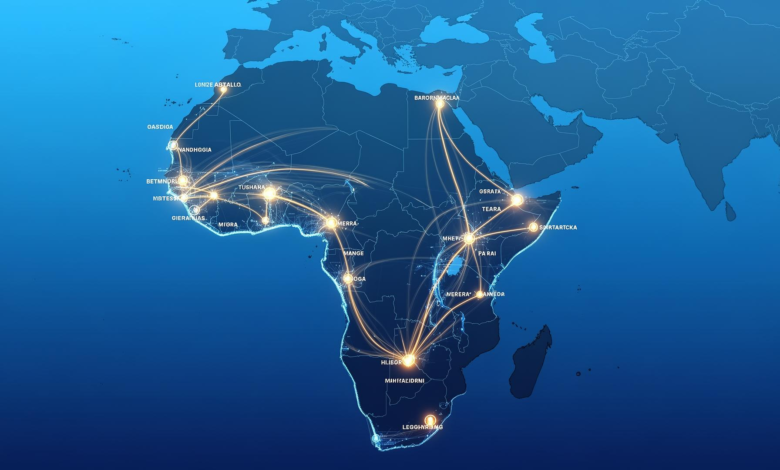
Introduced in Addis Ababa on the sidelines of the 39th African Union Summit, these platforms are part of the practical implementation of the African Continental Free Trade Area (AfCFTA). They aim to address what Kenyan leaders describe as the AfCFTA’s implementation gap, where many trade opportunities remain announcements rather than signed contracts.
A common platform to capture and organize opportunities, linking opportunity to execution
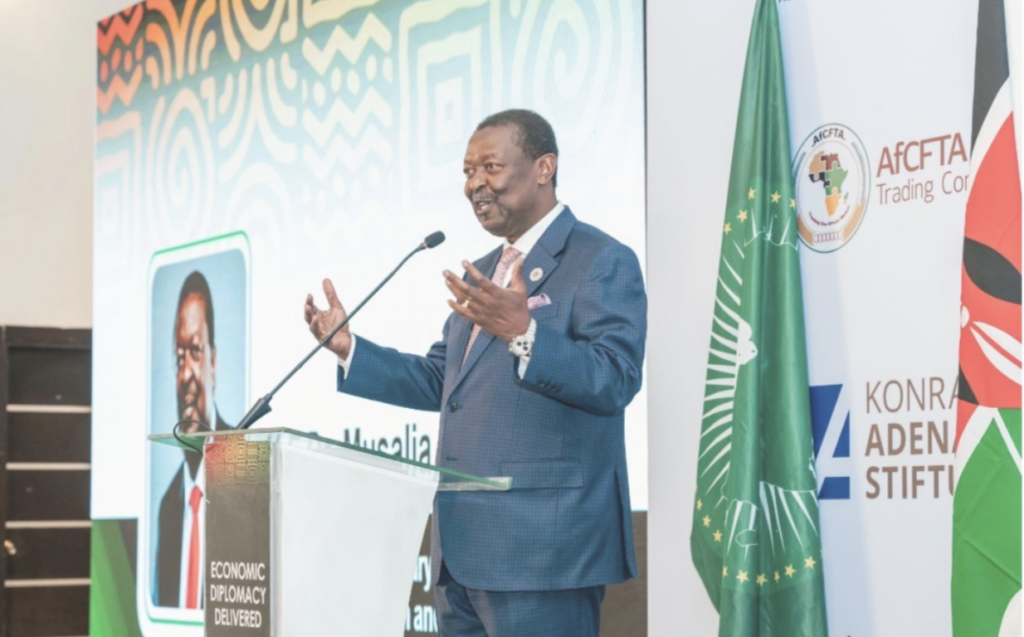
Kenya’s Prime Minister and Foreign Affairs Minister, Musalia Mudavadi, described the initiative as “a new model of economic diplomacy focused on results,” underscoring that these tools provide “a common platform to capture and organize opportunities, linking opportunity to execution.”
For Wamkele Mene, Secretary‑General of the AfCFTA, he noted that, in the face of disruptions to global supply chains, “Africa must strengthen its internal market” and leverage effective trade systems to achieve that.
Developed by Real Sources Africa, a pan‑African commercial infrastructure institution designated as Kenya’s AfCFTA Trading Company, these platforms tap into the potential of more than 1,000 African diplomatic missions. According to the developers, these missions receive over 3,500 commercial enquiries every month, of which less than 1% materialize into real transactions.
BiasharaLink serves as a digital registry to capture and structure these opportunities in line with AfCFTA priorities, while Deal House acts as the execution engine by validating opportunities, linking credible actors, facilitating access to finance and fostering contract signing.
A turning point for Kenya… and Africa
Private sector leaders have welcomed the initiative as a milestone. James Mwangi, CEO of Equity Group Holdings, argued that Africa does not lack opportunities, but structured execution, and that these platforms help move “from informal deals to formalized transactions with transparency,” a condition essential for attracting capital and confidence.
By repositioning diplomatic missions as active trade actors, Kenya intends not only to energize the flow of intra‑African transactions but also to better integrate SMEs and women‑led businesses into regional value chains. This initiative reflects Nairobi’s commitment—under the presidency of William Samoei Ruto at the African Union—to translate AfCFTA’s political ambitions into concrete commercial results that create jobs and growth.