

Industry & Energy : Breaking the Glass Ceilings
Long dominated by men, the industrial, energy and mining sectors in Africa are now witnessing the rise of women leaders who are redefining the codes of leadership. At the helm of strategic groups, they are driving energy transitions, structuring public and private enterprises, and establishing new models of governance in historically male-dominated environments.

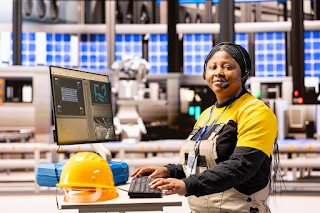
Industry, energy and mining form the economic backbone of many African countries. Hydrocarbons in Nigeria, mining in Southern Africa, renewable energy in Morocco and East Africa: these sectors concentrate investment, critical infrastructure and geopolitical stakes. Yet they remain among the least gender-diverse in the world. According to the International Energy Agency (IEA), women represent on average 22% of the global energy workforce, and even less in technical and engineering segments. In Africa, underrepresentation is particularly pronounced in operational and mining roles.
“Industry, energy and mining form the economic backbone of many African countries. Hydrocarbons in Nigeria, mining in Southern Africa, renewable energy in Morocco and East Africa: these sectors concentrate investment, critical infrastructure and geopolitical stakes. Yet they remain among the least gender-diverse in the world. According to the International Energy Agency (IEA), women represent on average 22% of the global energy workforce, and even less in technical and engineering segments. In Africa, underrepresentation is particularly pronounced in operational and mining roles.
Inclusion and diversity are not just moral imperatives; they are business imperatives
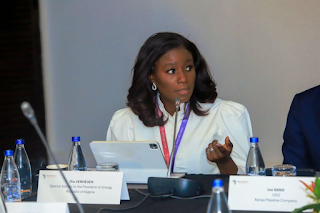
Despite this context, several African women leaders are breaking glass ceilings. In Nigeria, Olu Verheijen made history when she became Minister of State for Petroleum Resources (Oil) in 2023. An engineer by training and former executive in the energy sector, she embodies a new generation of public officials facing a dual challenge: maintaining the attractiveness of oil investment while preparing for energy diversification. At CERAWeek 2024, she stated: “Africa must not be asked to choose between development and decarbonisation. We must achieve both.” A position that encapsulates the continent’s strategic equation.
In South Africa, Nompumelelo Zikalala became the first woman to lead De Beers Managed Operations, a subsidiary of the diamond group De Beers. In a historically male-dominated mining sector, she affirmed in a public address: “Inclusion and diversity are not just moral imperatives; they are business imperatives.” Her trajectory illustrates the slow but tangible opening of extractive industries to women in operational leadership roles.
Structural barriers
The figures nonetheless confirm the scale of the challenge. According to the World Bank, women hold less than 15% of leadership positions in industrial companies in Sub-Saharan Africa. In mining, their representation often falls below 10% in technical roles. The obstacles are structural: persistent stereotypes, limited access to STEM education, workplace environments that are not always inclusive, and weak representation in decision-making networks.
A performance and economic transformation imperative
Yet the energy transition is opening a window of opportunity. The development of solar, wind and off-grid solutions across Africa is creating new economic models less entrenched in traditional industrial cultures. According to IRENA (International Renewable Energy Agency), women account for around 32% of jobs in renewables globally — a higher share than in fossil fuels. Across the continent, women entrepreneurs are leading solar mini-grid companies, clean energy distribution businesses and climate technology ventures tailored to rural realities.
Beyond the numbers, the stakes are strategic. Extractive and energy industries represent a major share of African public revenues. Their governance influences macroeconomic stability, employment and energy sovereignty. Women’s access to these decision-making spheres shifts priorities toward greater attention to sustainability, transparency and community impact, as highlighted by several corporate governance studies.
Breaking glass ceilings in industry and energy is therefore not merely a matter of equality; it is an issue of performance and economic transformation. The African women leaders emerging in these sectors demonstrate that technical expertise, strategic vision and inclusive leadership are not determined by gender.”
Despite this context, several African women leaders are breaking glass ceilings. In Nigeria, Olu Verheijen made history when she became Minister of State for Petroleum Resources (Oil) in 2023. An engineer by training and former executive in the energy sector, she embodies a new generation of public officials facing a dual challenge: maintaining the attractiveness of oil investment while preparing for energy diversification. At CERAWeek 2024, she stated: “Africa must not be asked to choose between development and decarbonisation. We must achieve both.” A position that encapsulates the continent’s strategic equation.
In South Africa, Nompumelelo Zikalala became the first woman to lead De Beers Managed Operations, a subsidiary of the diamond group De Beers. In a historically male-dominated mining sector, she affirmed in a public address: “Inclusion and diversity are not just moral imperatives; they are business imperatives.” Her trajectory illustrates the slow but tangible opening of extractive industries to women in operational leadership roles.
Structural barriers
The figures nonetheless confirm the scale of the challenge. According to the World Bank, women hold less than 15% of leadership positions in industrial companies in Sub-Saharan Africa. In mining, their representation often falls below 10% in technical roles. The obstacles are structural: persistent stereotypes, limited access to STEM education, workplace environments that are not always inclusive, and weak representation in decision-making networks.
A performance and economic transformation imperative
Yet the energy transition is opening a window of opportunity. The development of solar, wind and off-grid solutions across Africa is creating new economic models less entrenched in traditional industrial cultures. According to IRENA (International Renewable Energy Agency), women account for around 32% of jobs in renewables globally — a higher share than in fossil fuels. Across the continent, women entrepreneurs are leading solar mini-grid companies, clean energy distribution businesses and climate technology ventures tailored to rural realities.
Beyond the numbers, the stakes are strategic. Extractive and energy industries represent a major share of African public revenues. Their governance influences macroeconomic stability, employment and energy sovereignty. Women’s access to these decision-making spheres shifts priorities toward greater attention to sustainability, transparency and community impact, as highlighted by several corporate governance studies.
Breaking glass ceilings in industry and energy is therefore not merely a matter of equality; it is an issue of performance and economic transformation. The African women leaders emerging in these sectors demonstrate that technical expertise, strategic vision and inclusive leadership are not determined by gender.