

Geopolitics : an island of stability in West Africa
Amid the instability shaking several West African countries, Ghana stands out for its stable political climate, a consolidated democracy, a recovering economy, and active diplomacy. This stability attracts investors, strengthens citizen confidence, and positions Ghana as a key regional hub.

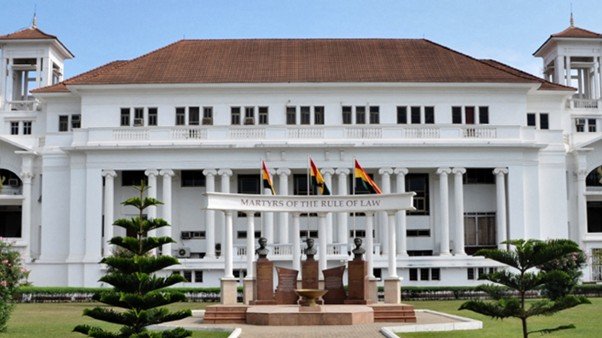
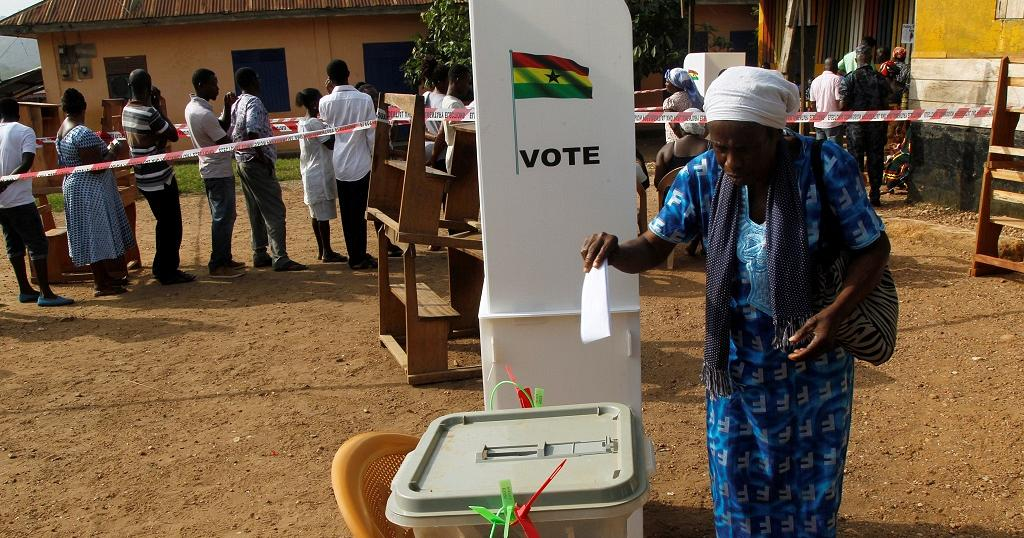
In a region marked by turbulent political transitions, coups, social tensions, and security challenges, Ghana emerges as a model of stability and democratic governance in West Africa. While several neighboring countries — including Burkina Faso, Mali, and Guinea — have experienced recent forceful regime changes, Accra has successfully conducted peaceful and transparent elections, consolidating its reputation as a democratic state.
The robustness of Ghanaian institutions has allowed internal tensions to be managed without violent breakdowns, even during economic crises
According to data from the National Democratic Institute (NDI) and the Varieties of Democracy (V-Dem) Institute, Ghana consistently ranks among the most stable democracies on the continent, with power transitions respecting the rule of law and often high voter turnout. For instance, the 2024 general elections were praised by international observers for their transparency and organization, despite a complex national economic context.
A Strong Democracy Amid Regional Challenges
This stability is no accident: it is rooted in a national history that dates back to the country’s independence in 1957, guided by the vision of Kwame Nkrumah, Ghana’s first president. Nkrumah laid the foundations for a unified and pan-African state, promoting education, public institutions, and regional diplomacy.
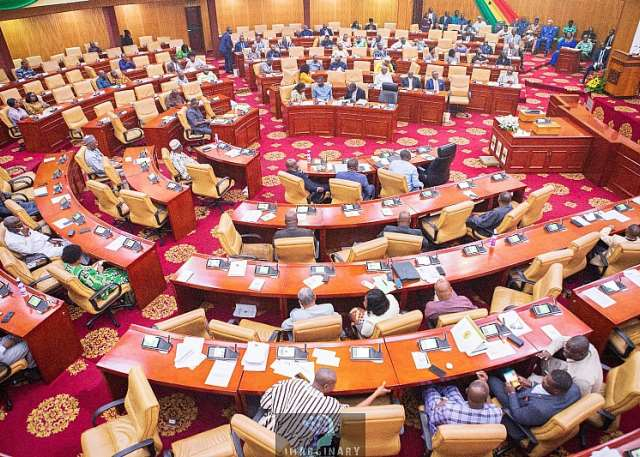
Indeed, today Ghana’s political stability rests on several pillars. First, a structured party system, with peaceful alternation between dominant parties — notably the New Patriotic Party (NPP) and the National Democratic Congress (NDC) — channels social aspirations within accepted institutional frameworks. Prof. Richard Amegashie, political science professor at the University of Ghana, notes in a recent study: “The robustness of Ghanaian institutions has allowed internal tensions to be managed without violent breakdowns, even during economic crises.”
Second, respect for civil and political liberties, as assessed by Freedom House, places Ghana in the category of “fundamental freedoms preserved,” with scores above several neighboring countries. This is reflected in a generally free press, an active civil society, and open avenues for public expression — all contributing to social stability.
An Engaged Diplomatic Actor
On the international and regional stage, Ghana is an active diplomatic player. As a founding member of the Economic Community of West African States (ECOWAS), the country has advocated balanced approaches to crises and peaceful conflict resolution. Accra has also played a constructive role in discussions around strengthening regional security mechanisms, particularly in response to transnational terrorism in the Sahel.
In promoting economic integration, Ghana has hosted the Permanent Secretariat of the African Continental Free Trade Area (AfCFTA) in Accra since August 2020 — recognizing the country’s strategic importance in harmonizing intra-African trade. This institutional anchoring reinforces Ghana’s image as pro-integration, capable of supporting and coordinating continental cooperation initiatives.
Economic security will also depend on the country’s ability to diversify growth sources and strengthen integration into regional value chains
Despite these achievements, Ghana is not immune to persistent challenges. Reducing poverty, creating jobs for a young and dynamic population, modernizing infrastructure, and combating corruption remain priorities. Economic security will also depend on the country’s ability to diversify growth sources and strengthen integration into regional value chains.
Paradoxically, Ghana’s relative stability in West Africa is not merely a statistical fact: it represents a clear political, economic, and social choice, based on robust institutions, a respected democratic framework, and rigorous macroeconomic management, even in a difficult global context. These characteristics make Ghana an island of stability in a region undergoing major transitions, capable of attracting investments, international partners, and citizen trust.
Proponent of a Resolution on the Slave Trade and Colonialism
At the 39th African Union Summit in Addis Ababa, Ghanaian President John Dramani Mahama presented Ghana’s stance on a unified continental call for reparations for the transatlantic slave trade, colonialism, and apartheid. Ghana is leading a diplomatic and legal initiative to have the UN General Assembly adopt a resolution recognizing these crimes as the gravest crimes against humanity. This inclusive and consultative effort engages experts, the diaspora, and international organizations to promote historical truth, justice, and reconciliation. The symbolic date of 25 March 2026, International Day of Remembrance of the Victims of Slavery, will mark the formal tabling of the resolution.