



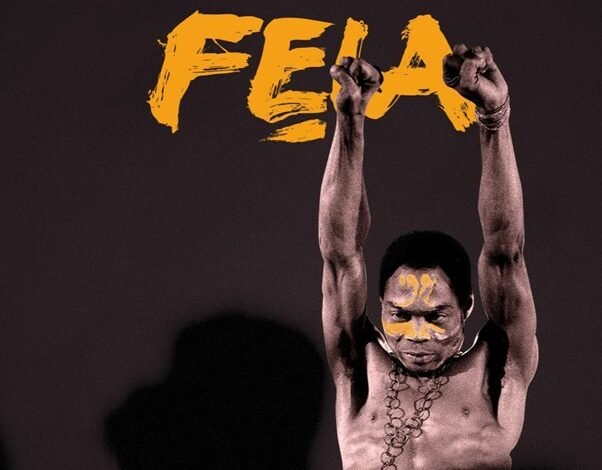
On January 31, 2026, Fela Kuti was honored in Los Angeles, on the eve of the Grammy Awards ceremony, becoming the first African artist to receive this distinction posthumously.
The “Black President”
Born in 1938 in Abeokuta, Nigeria, Fela Aníkúlápó Kuti quickly became an iconic figure in African music and political activism. A masterful multi-instrumentalist and prolific composer, he invented afrobeat in the 1970s—a style blending traditional African rhythms, jazz, and funk—that would go on to influence global music and later inspire modern afrobeats.
Fela Kuti was more than a musician: he was a committed activist, nicknamed the “Black President” for his sharp criticism of Nigerian military regimes and his fight for social justice. His long, powerful songs, such as Zombie (1976), openly denounced corruption and oppression, earning him numerous arrests and persecutions by the authorities.
Beyond his musical career, Fela built a strong family and artistic legacy. His sons, Femi Kuti and Seun Kuti, as well as his grandson Made Kuti, continue his work today and champion afrobeat values worldwide. “This recognition, coming at a time when all three of us are present, is an amazing feeling,” Made Kuti told AFP, referring to Fela’s posthumous Grammy Award. “It’s wonderful that the three of us continue to practice afrobeat and keep this legacy alive as much as possible.”
A celebration for the African people
Among the other honorees were international icons such as Cher, Carlos Santana, and Chaka Khan. According to the Kuti family, this distinction is not just a personal tribute but “a celebration for the African people,” as Yemisi Ransome-Kuti, Fela’s first cousin, emphasized: “He should consider it his own award. Another African is being honored.” She added, “I’m sure he would have said, ‘Better late than never.’”
His longtime manager, Rikki Stein, believes this posthumous Grammy will provide “a new momentum for Fela’s music. An increasing number of people who weren’t even born when he died are showing interest in his music and, I hope, in his message.”
Fela Kuti left an indelible mark on the global music scene with more than 50 albums, each reflecting his political engagement and limitless creativity. His influence can be seen today among international artists like Beyoncé, Paul McCartney, and Thom Yorke, as well as in contemporary Nigerian music, where modern afrobeats carry forward his rhythms and expressive power.
A resolutely free voice
Fela Kuti is also recognized for his pioneering social role: he created the Kalakuta Republic, a compound that served as a home, studio, and community center, symbolizing his independence and resistance to authority. Through his lyrics, performances, and lifestyle, he gave Africa a resolutely free voice, asserting that art and politics can combine to transform society.