

Mohammed Harbi, historian and critical voice of independence
Algerian historian Mohammed Harbi, who passed away in Paris, leaves a major legacy on the Algerian independence war and post-colonial political construction. His analyses, intersecting nationalism and continental challenges, continue to inspire researchers and activists across Africa.

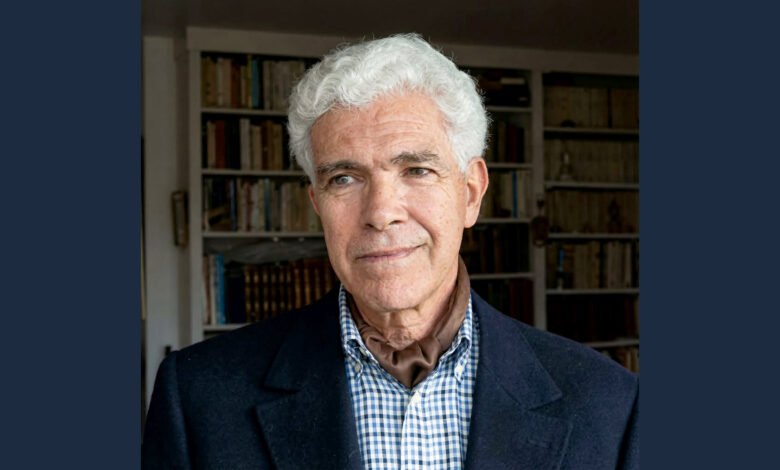
Born on June 16, 1933, in Skikda, eastern Algeria, Mohammed Harbi died on January 1, 2026, in Paris due to a lung infection. His life reflects the political and intellectual engagement of African elites navigating post-colonial nation-building.
A young anti-colonial activist, Harbi joined the National Liberation Front (FLN) in Paris and worked within the Provisional Government of the Algerian Republic (GPRA), alongside Krim Belkacem, a key figure in the 1962 Évian Accords that ended 132 years of French colonization. After independence, he served in the cabinet of President Ahmed Ben Bella but soon opposed Houari Boumédiène’s authoritarian regime, leading to five years in prison and house arrest. In 1973, he moved to France to pursue research and teaching at the Sorbonne.
For Harbi, understanding Algeria is crucial for analyzing post-colonial transitions across Africa
Harbi’s work went beyond national history. His book “Le FLN: Mirage and Reality” (1980) critiques single-party rule and raises universal questions about democracy, citizenship, and social justice. For Harbi, understanding Algeria is crucial for analyzing post-colonial transitions across Africa.
Harbi consistently encouraged young Africans to “work together to build a nation of citizens and live peacefully with neighbors.”
Beyond Algeria, his analyses influenced studies on nationalism and liberation movements across the continent, including Morocco, Tunisia, and other post-colonial states. He also engaged in international conferences on decolonization, promoting a pan-African dialogue on history, justice, and citizenship.
A dual legacy, intellectual and political
His legacy is both intellectual and political. In addition to his writings, he trained African students in France, fostered critical thinking on governance, and inspired young scholars to see history as a tool for social change.
An exceptional man, engaged early in the political struggle against colonization
Algerian President Abdelmadjid Tebboune praised Harbi as “a learned historian whose passing deprives Algeria and North Africa of an exceptional man, engaged early in the political struggle against colonization.” Harbi remains a symbol of courage and intellectual integrity, reminding new generations that a free and responsible Africa is built through understanding the past and critically assessing its institutions.